A whole course, not a textbook.
Each Bright Minds course pack is a complete, lab-led, mastery-based course experience — the rubrics, the demonstrations, the study system, and the AI-use guide a family or a guide needs to actually run the course. Not content for its own sake; the method that makes content stick.
New to Bright Minds? See if a course pack is right for your family →
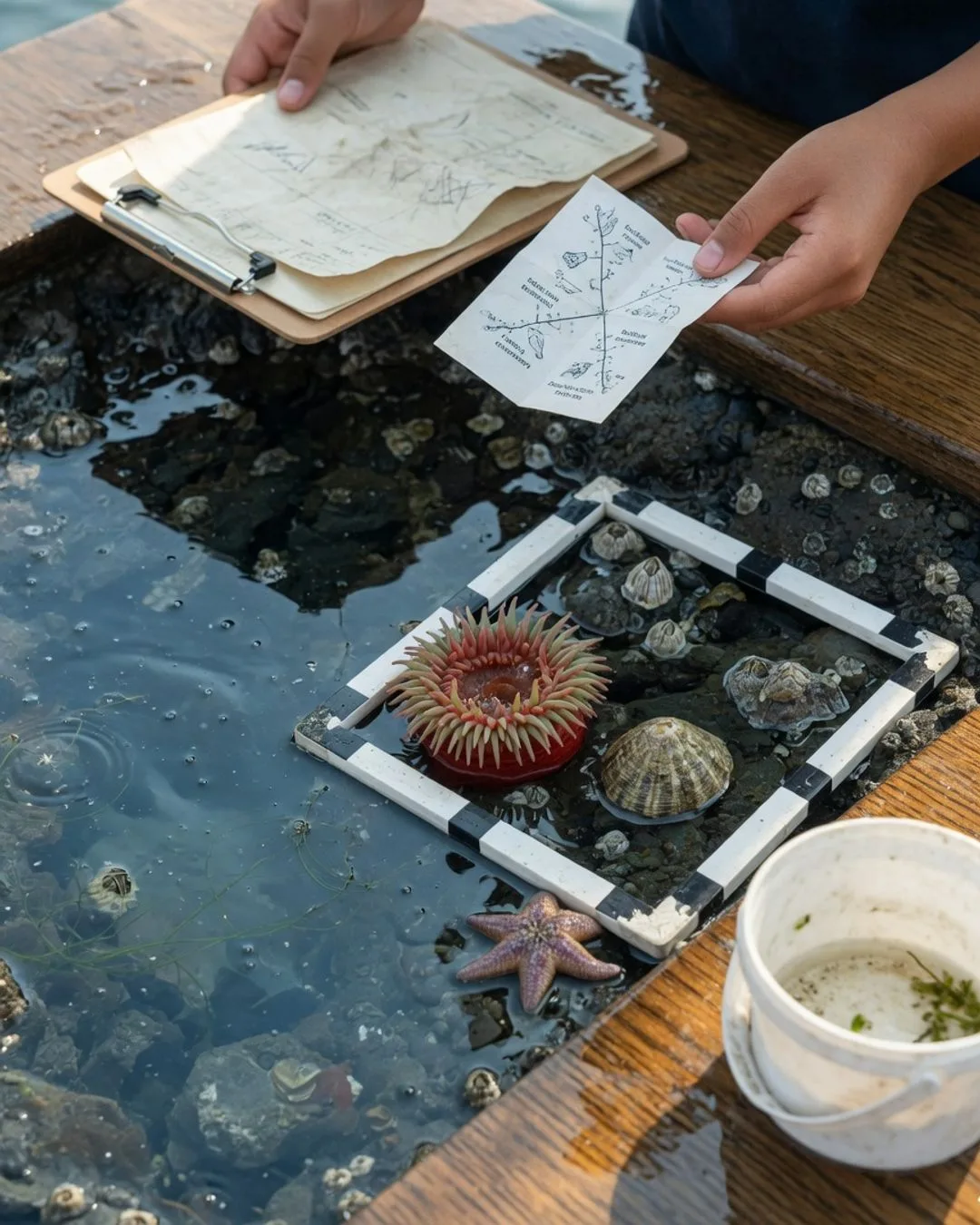
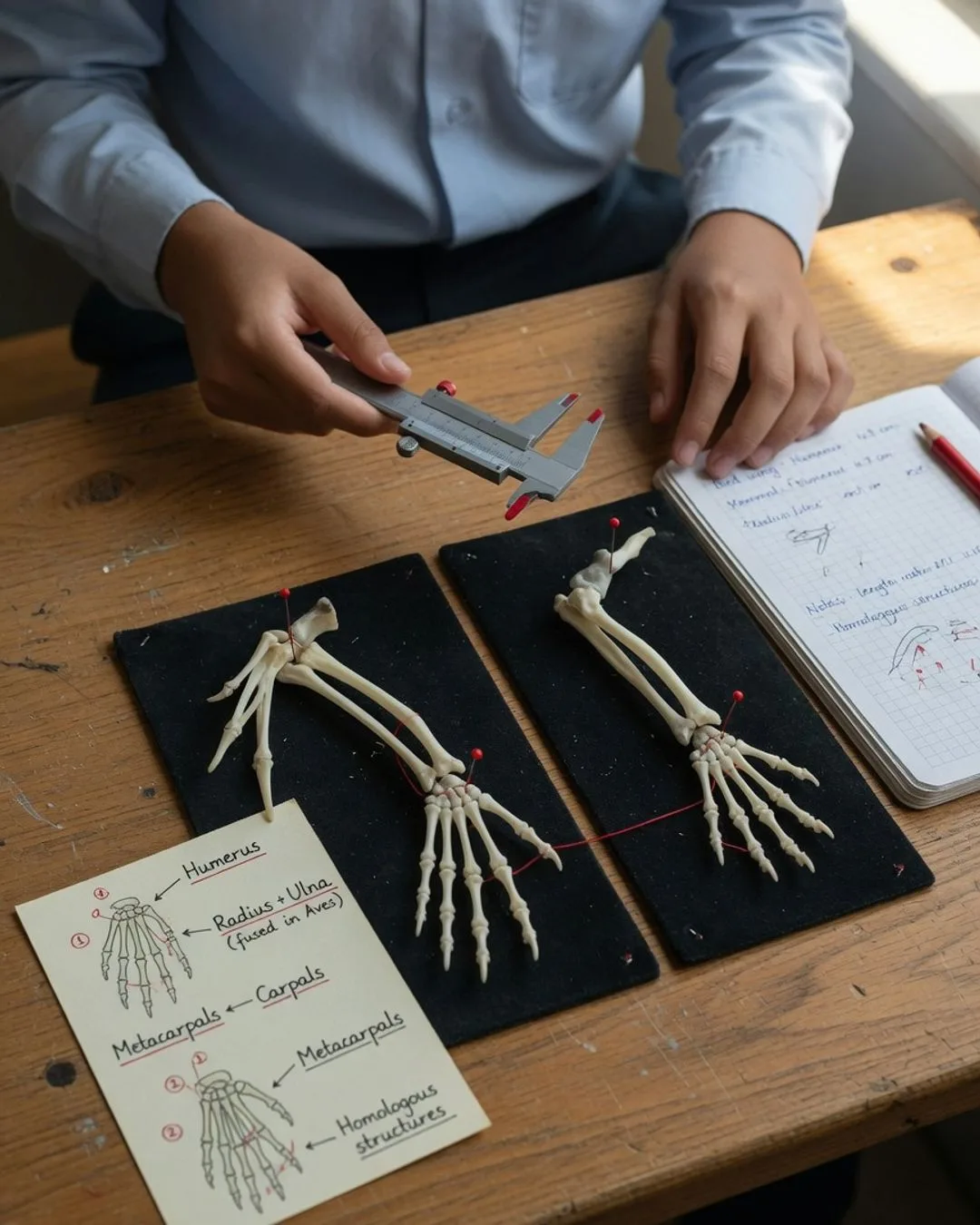
Mastery · Integration · Wonder
Students advance when they can reproduce, explain, and apply a concept — not when the calendar says so. Not cram–pass–forget.
The science course is the spine; reading, writing, and history integrate against it. "Where have you seen this idea before?" is a real question with a real answer.
Lab-led, not textbook-led. The course is built around what happens at the bench; the reading supports the lab, never the other way around.
Built by Leslie Nichols — a university lab coordinator who has taught this way for two decades.
Leslie is an Anatomy & Physiology instructor and the A&P Laboratory Coordinator at Boise State University — the person who designs the labs a thousand-plus students run each term. She taught biology in Idaho public middle and high schools, is an Idaho-certified science teacher for grades 6–12 and an Idaho Master Naturalist, and has led a homeschool science co-op for 22 years. The course packs put that lab-led, mastery-based method in your hands.
More about LeslieEvery pack comes with the same complete set of materials.
A course pack is not a curriculum binder you have to interpret. It is a consistent, complete set of materials so that any family or certified guide gets a complete course experience — whichever subject they open.
The concept spine, unit by unit, and the Concept Day / Experiment Day model that drives every week.
The heart of the pack. One rubric per unit, plus the demonstration rubrics that can't be faked with AI.
How-to-study, the study-cycle template, the pre-lab checklist, and the lab-notebook starter.
What AI is for and what it can't touch, plus the cross-domain playbook that ties the course to reading, writing, and history.
A vetted reading list — free open-license resources, library books, optional texts. We recommend; we don't require. Content isn't the product.
What-to-expect for students and parents, the vendor/equipment reference, and multi-section scheduling for guides.
Eighteen courses. Scientific Method & Lab Skills, Biology, Chemistry, Physics, Earth Science, Environmental Science, Physical Science, Life Science, Human Anatomy, Microscopy, Dissections, Botany, Astronomy, Forensic Science, Marine Biology, Zoology, Health & Nutrition, and Geology are live.
Every course is complete — and every one is built on the same lab-led, mastery-based method: the same two-day rhythm, the same mastery rubrics, and the same AI-proof demonstrations in each pack. Scientific Method & Lab Skills, the grades 6–8 foundational on-ramp, is the prerequisite most students should start with. Grades 6–12, calibrated to AP-level rigor.
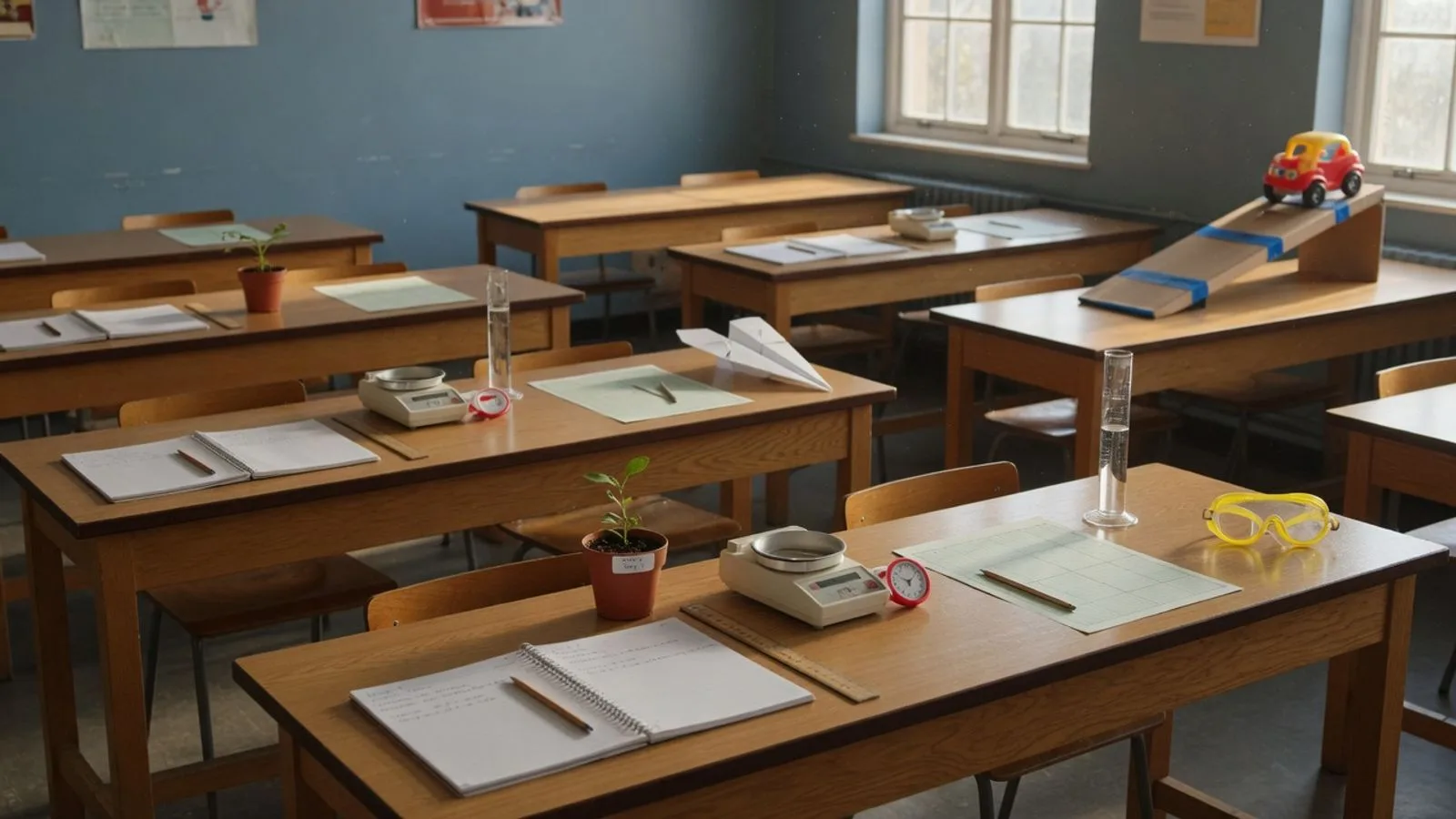
Scientific Method & Lab Skills
The foundational on-ramp — and the place most students should start. Eight skill units, from careful observation to communicating and defending findings, that teach how to do science: keep a real lab notebook, measure honestly, design a fair test, graph data, and quantify uncertainty. Anchored by three AI-proof demonstrations — the experiment-design defense, timed data interpretation, and the oral lab-notebook defense. Grades 6–8; the prerequisite every other pack assumes.
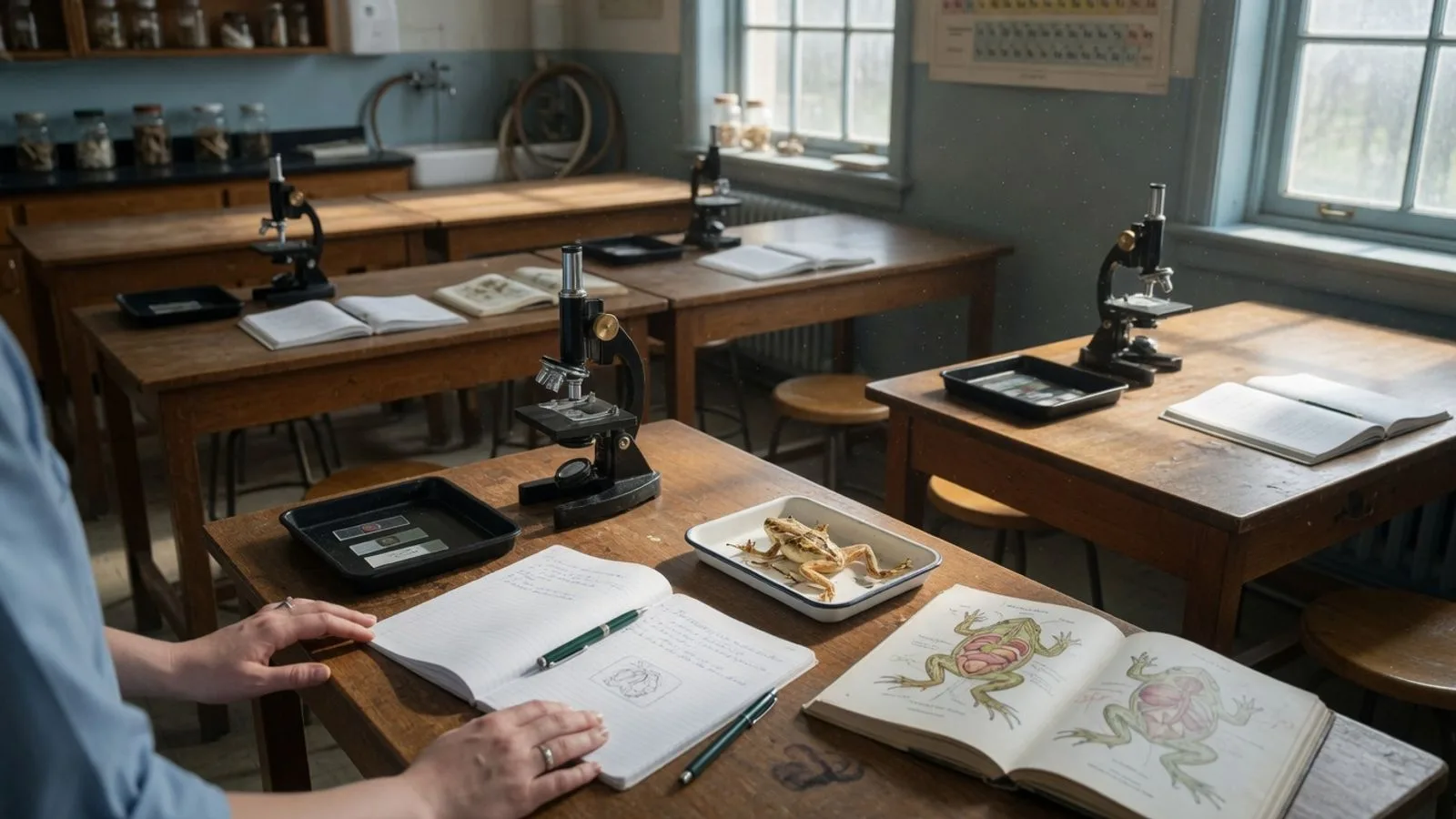
Biology
Eight units from the chemistry of life to ecology, anchored by three AI-proof demonstrations: the fetal-pig dissection defense, timed microscopy identification, and the oral lab-notebook defense. Builds toward the AP Biology exam by making sure students actually know the biology — not by cramming for the test.
Chemistry
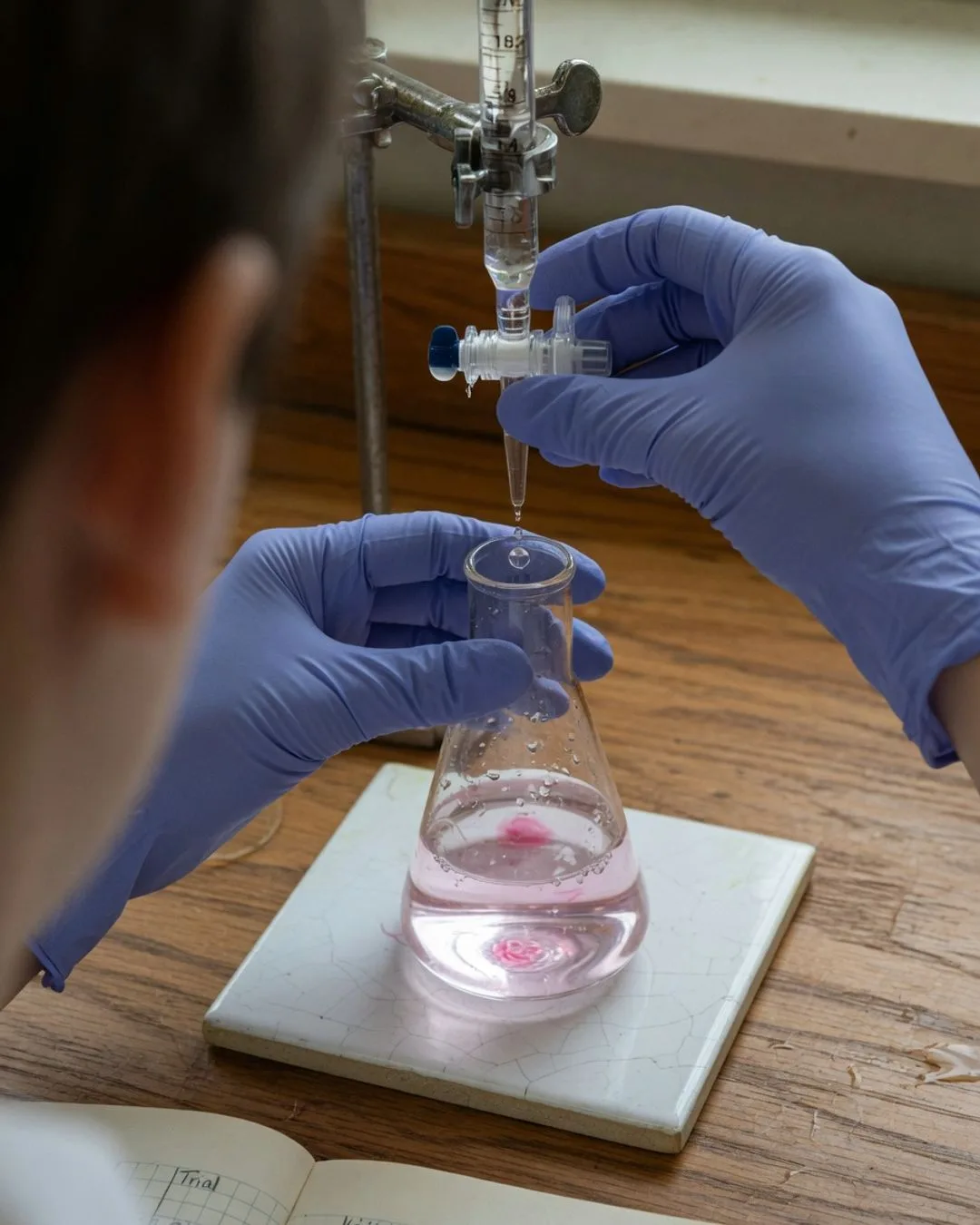
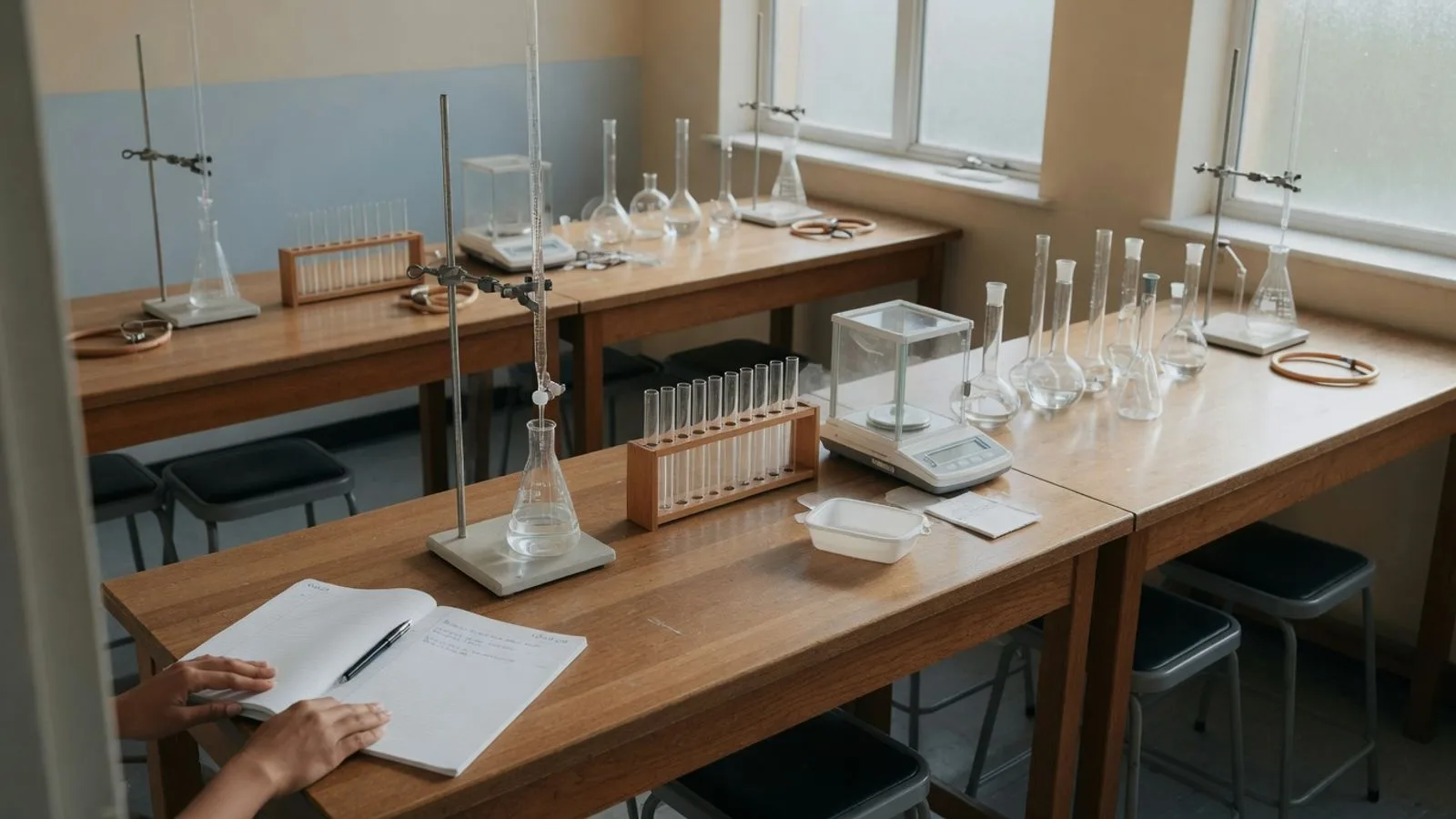
Eight units from atomic structure to electrochemistry, anchored by three AI-proof demonstrations: the acid–base titration defense, timed qualitative analysis of an unknown, and the oral lab-notebook defense. Builds toward the AP Chemistry exam by making sure students actually know the chemistry — not by cramming for the test.
Physics
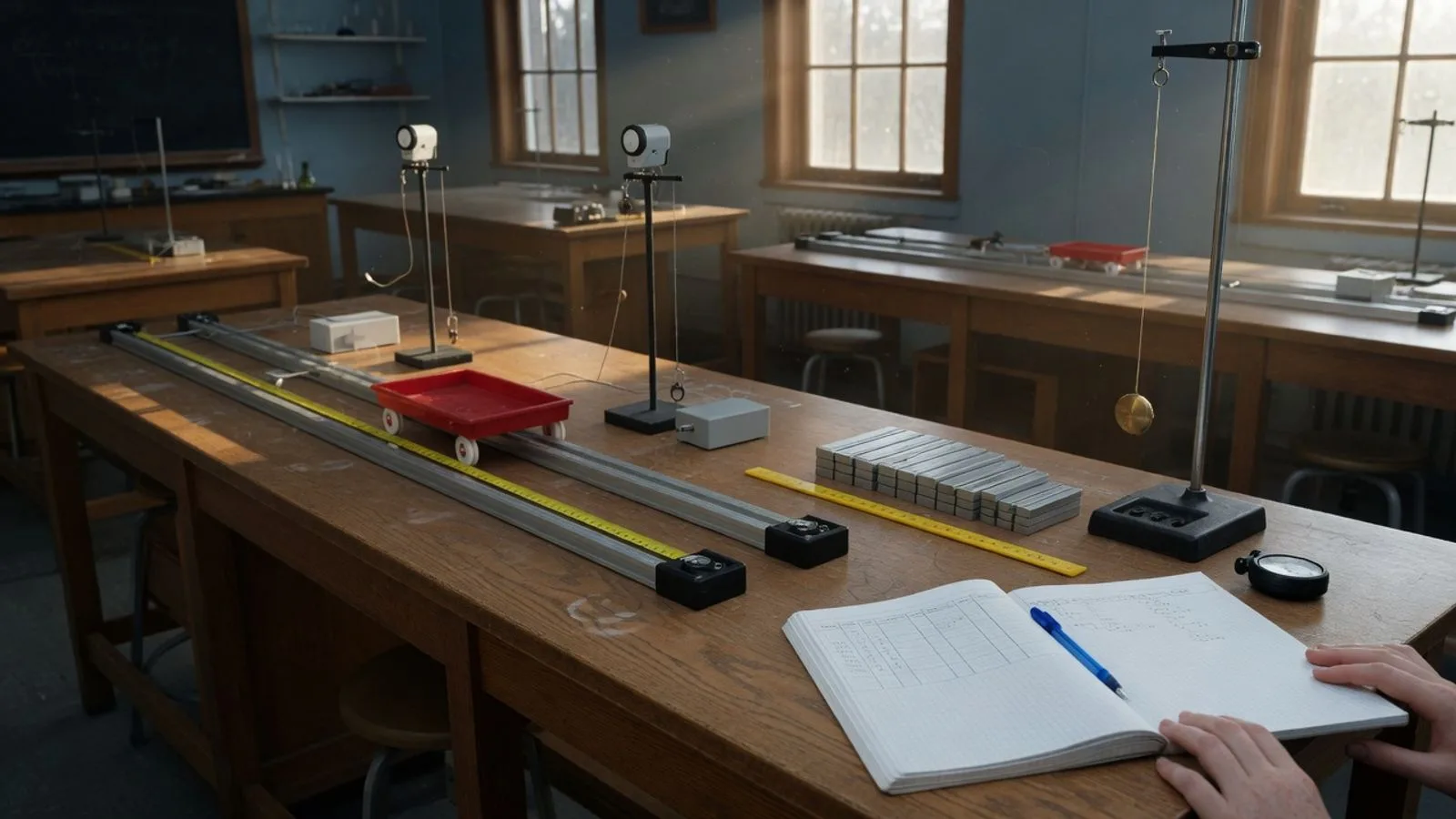
Eight units from kinematics to fluids, anchored by three AI-proof demonstrations: the apparatus build-and-defense, the timed prediction-and-test, and the oral lab-notebook defense. Builds toward the AP Physics 1 exam by making sure students actually know the physics — not by cramming for the test.
Earth Science
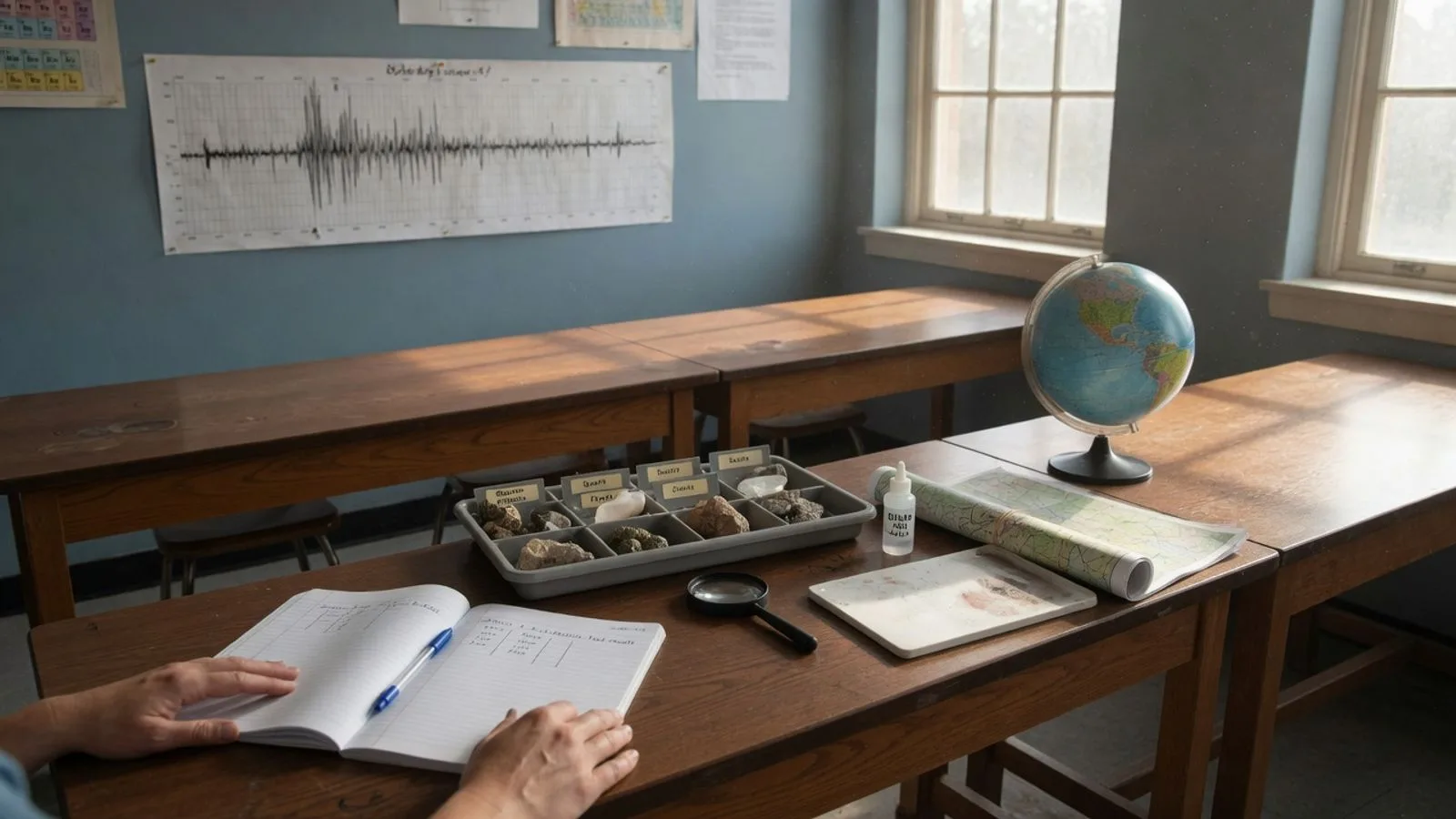
Eight units from Earth's structure and plate tectonics to astronomy and Earth in space, anchored by three AI-proof demonstrations: the mineral & rock ID defense, timed map interpretation, and the oral lab-notebook defense. Aligned to NGSS Earth & Space Science by making sure students actually understand the Earth — not by cramming for a test.
Environmental Science
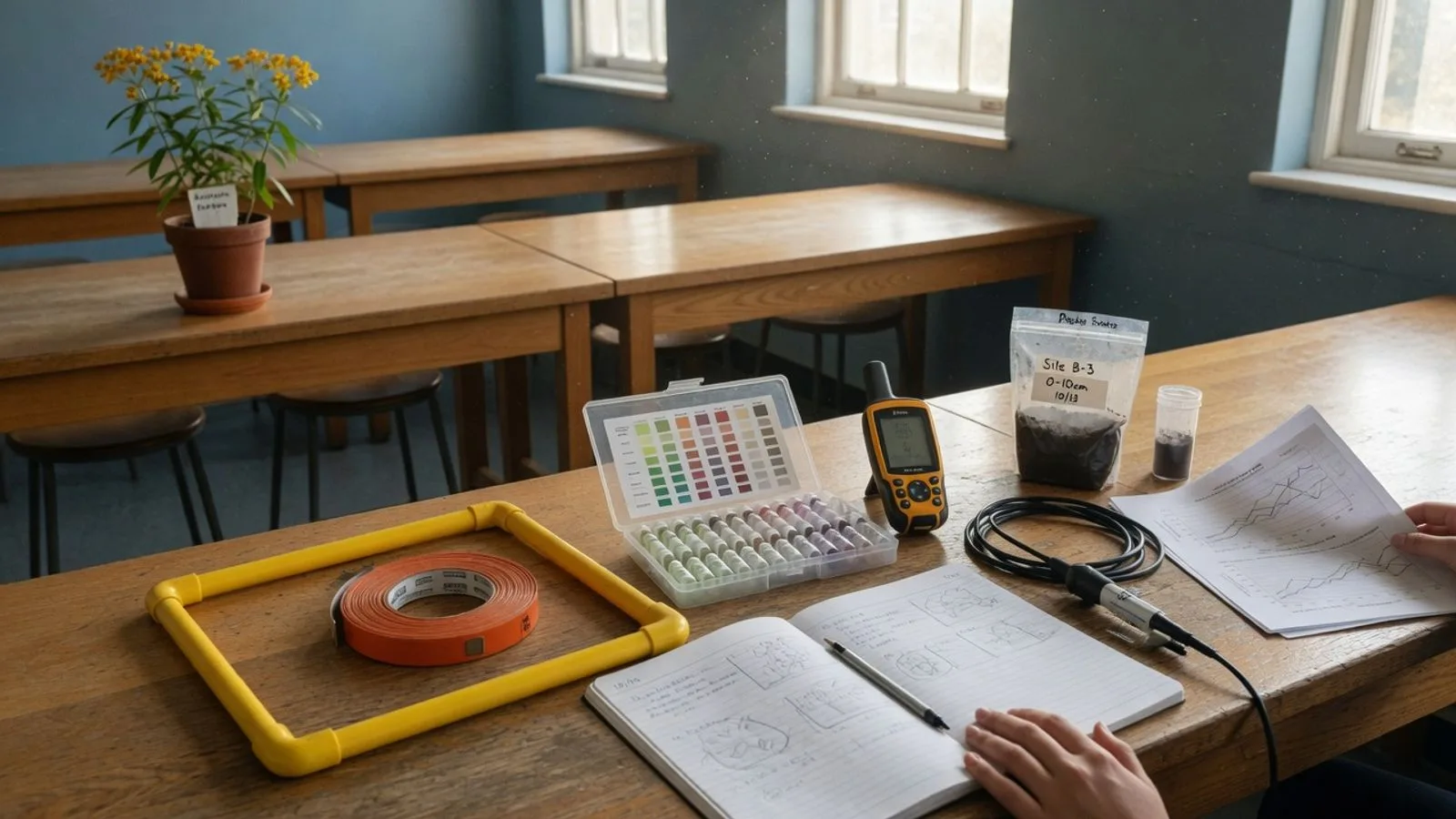
Eight units from ecosystems and energy flow to sustainability and policy, anchored by three AI-proof demonstrations: the field quadrat / transect defense, timed data interpretation, and the oral lab-notebook defense. Builds toward the AP Environmental Science exam by making sure students actually know the science — not by cramming for the test.
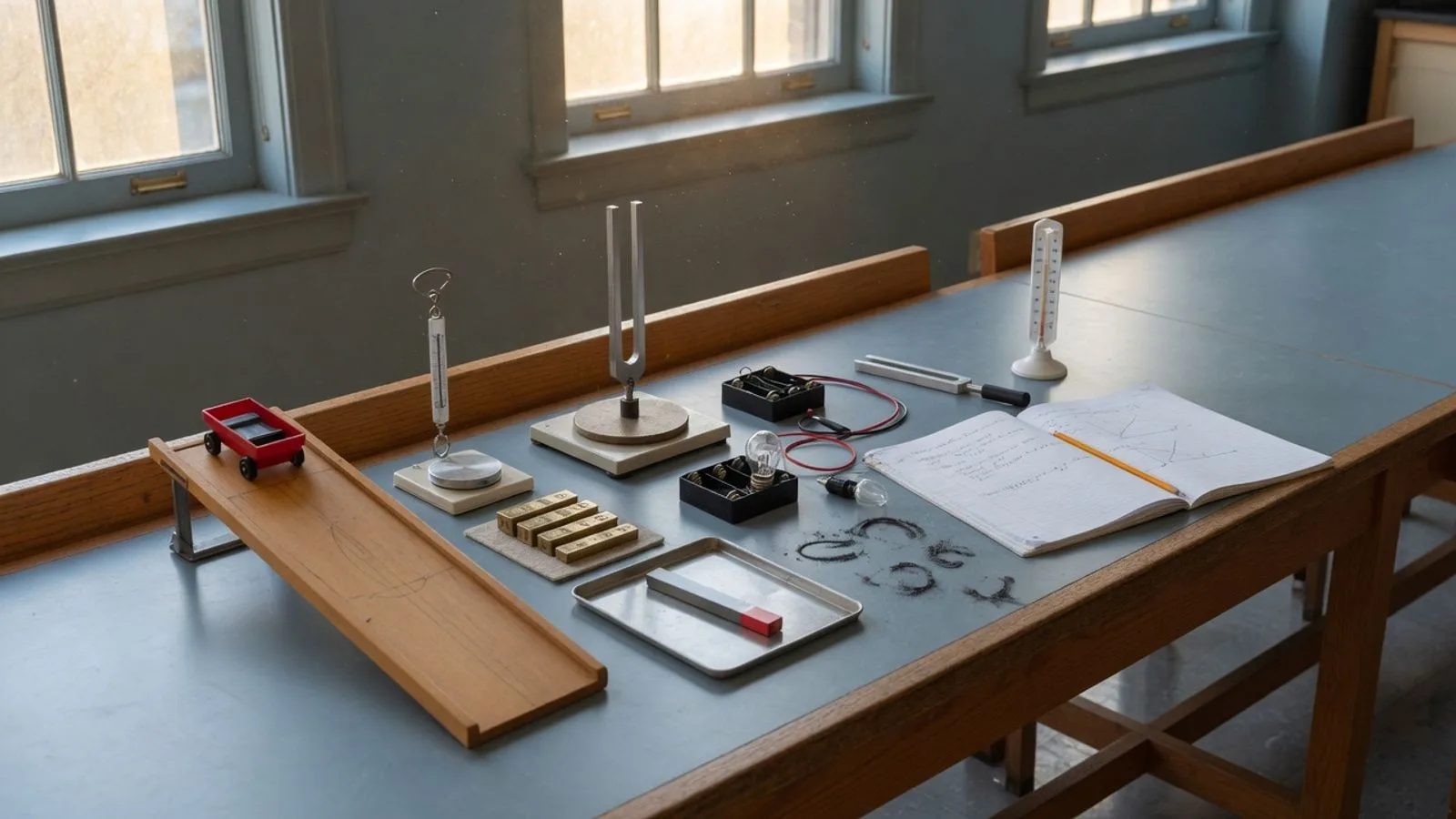
Physical Science
Eight units from matter and its properties to electricity and magnetism, anchored by three AI-proof demonstrations: the build-and-test defense, the timed prediction-and-test, and the oral lab-notebook defense. A hands-on middle-school survey aligned to NGSS Middle School Physical Science — grades 6–9, built by making sure students actually understand the science, not by cramming for a test.
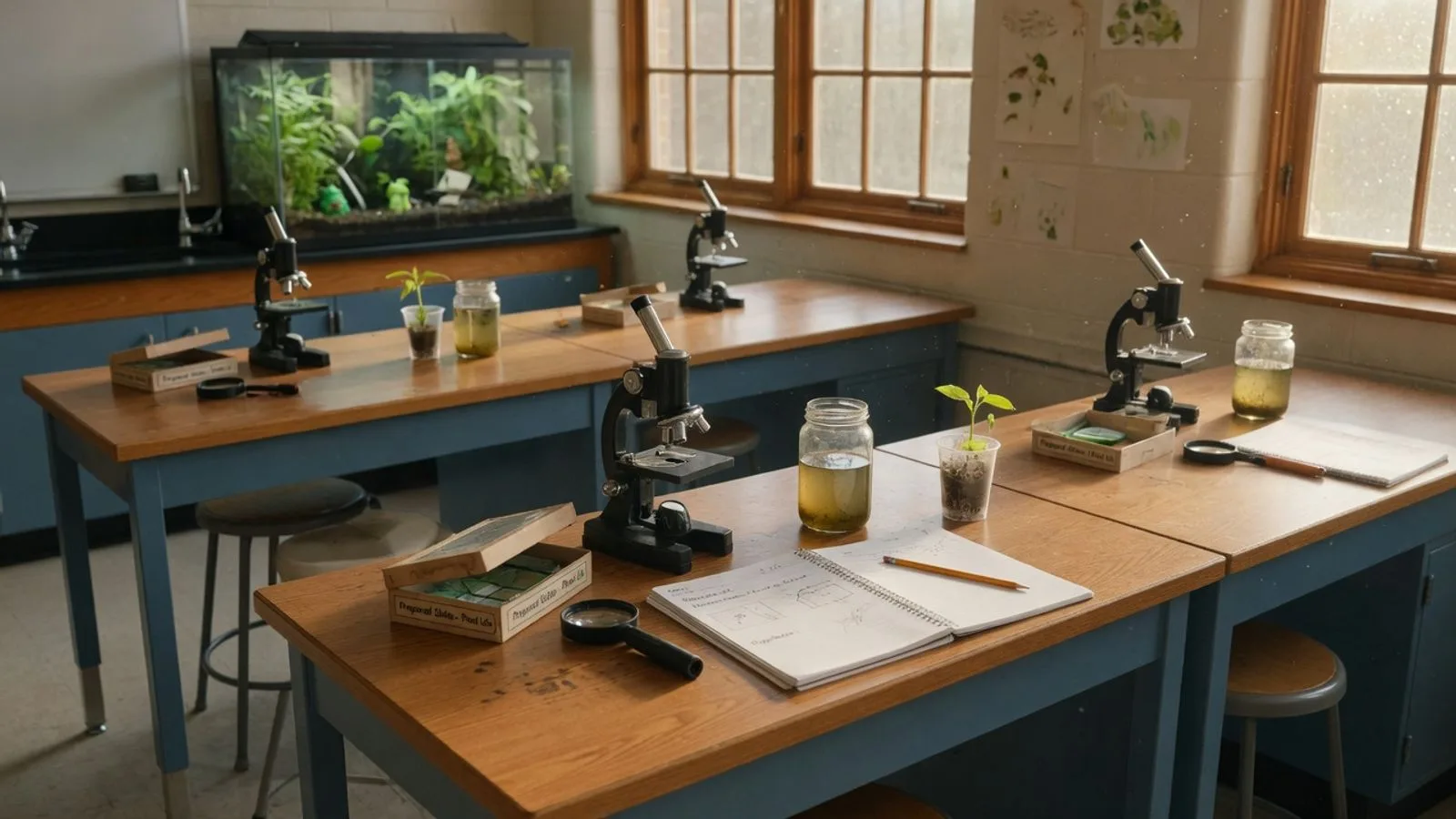
Life Science
Eight units from what makes something alive to human impact on living systems, anchored by three AI-proof demonstrations: the microscope cell defense, the timed classification challenge, and the oral lab-notebook defense. A hands-on middle-school survey aligned to NGSS Middle School Life Science — grades 6–8, built by making sure students actually understand living things, not by cramming for a test.
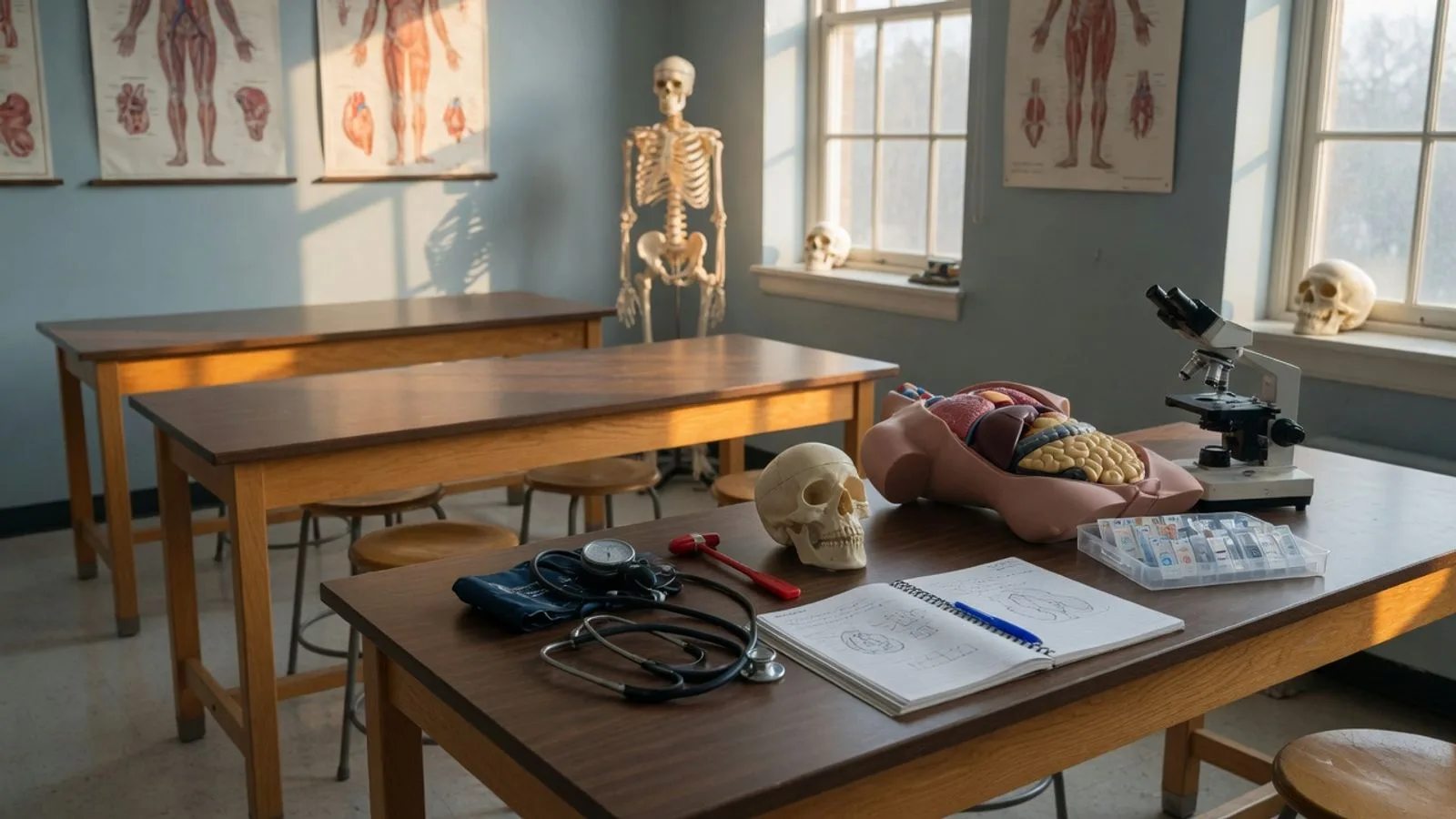
Human Anatomy
Eight units from cells and tissues to the immune and integumentary systems, anchored by three AI-proof demonstrations: the anatomy identification defense, the timed physiology case, and the oral lab-notebook defense. Built to college Anatomy & Physiology rigor for grades 10–12 by making sure students actually understand the body — not by cramming for a test.
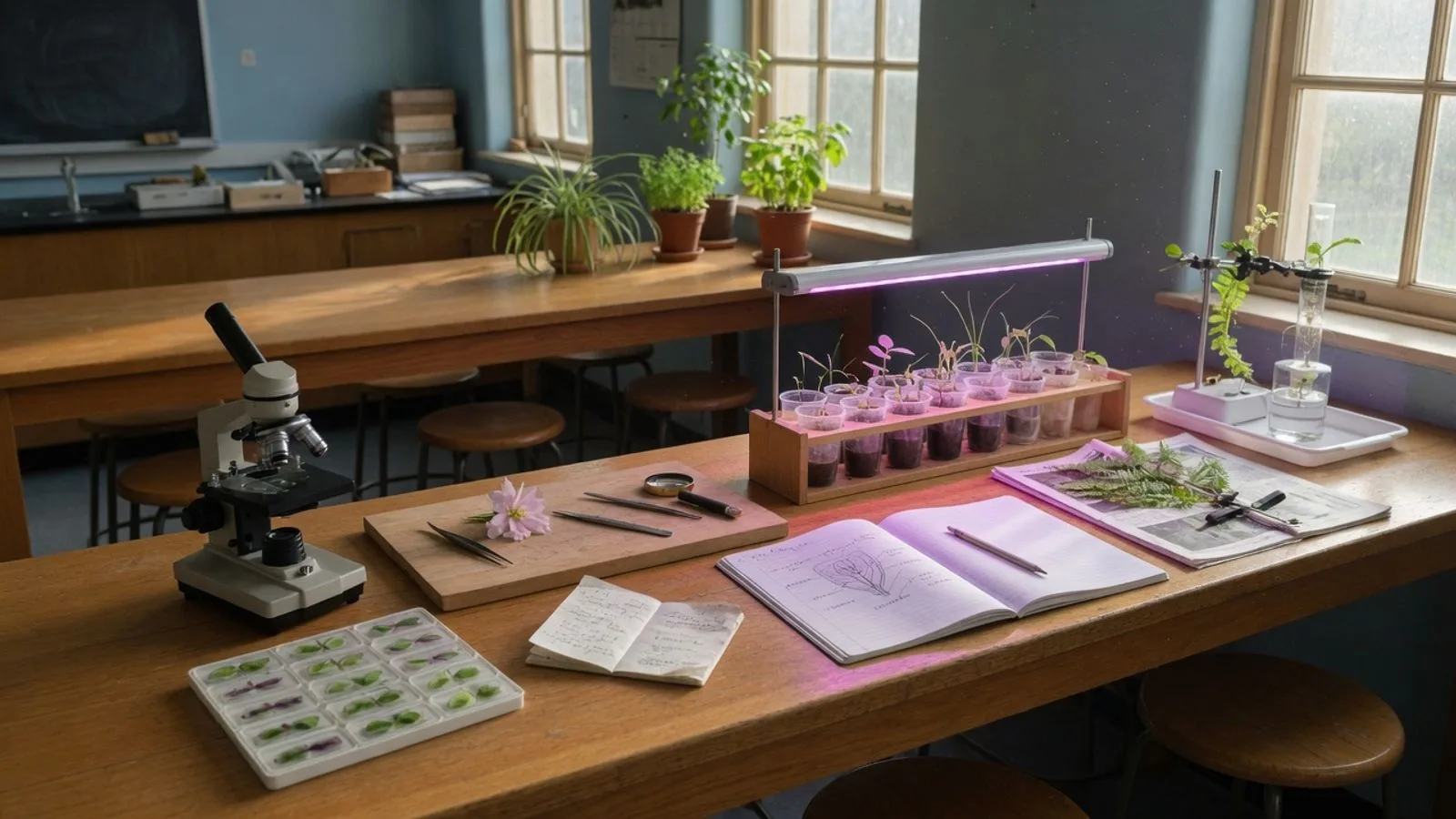
Botany
Eight units from the plant cell to whole ecosystems, anchored by three AI-proof demonstrations: the plant dissection defense, timed plant identification, and the oral lab-notebook defense. Built to AP-level rigor for grades 9–12 by making sure students actually know the botany — not by cramming for a test.
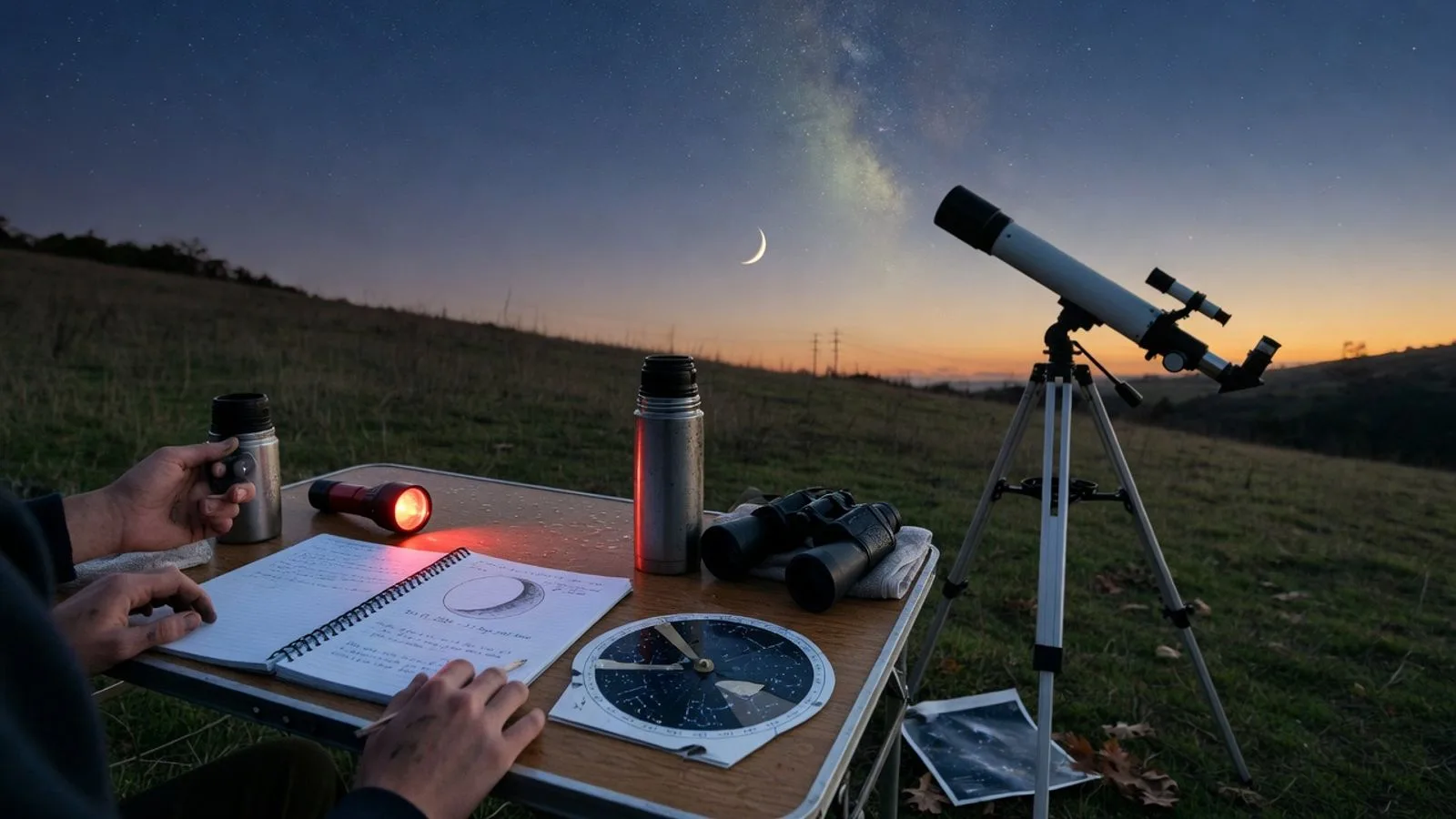
Astronomy
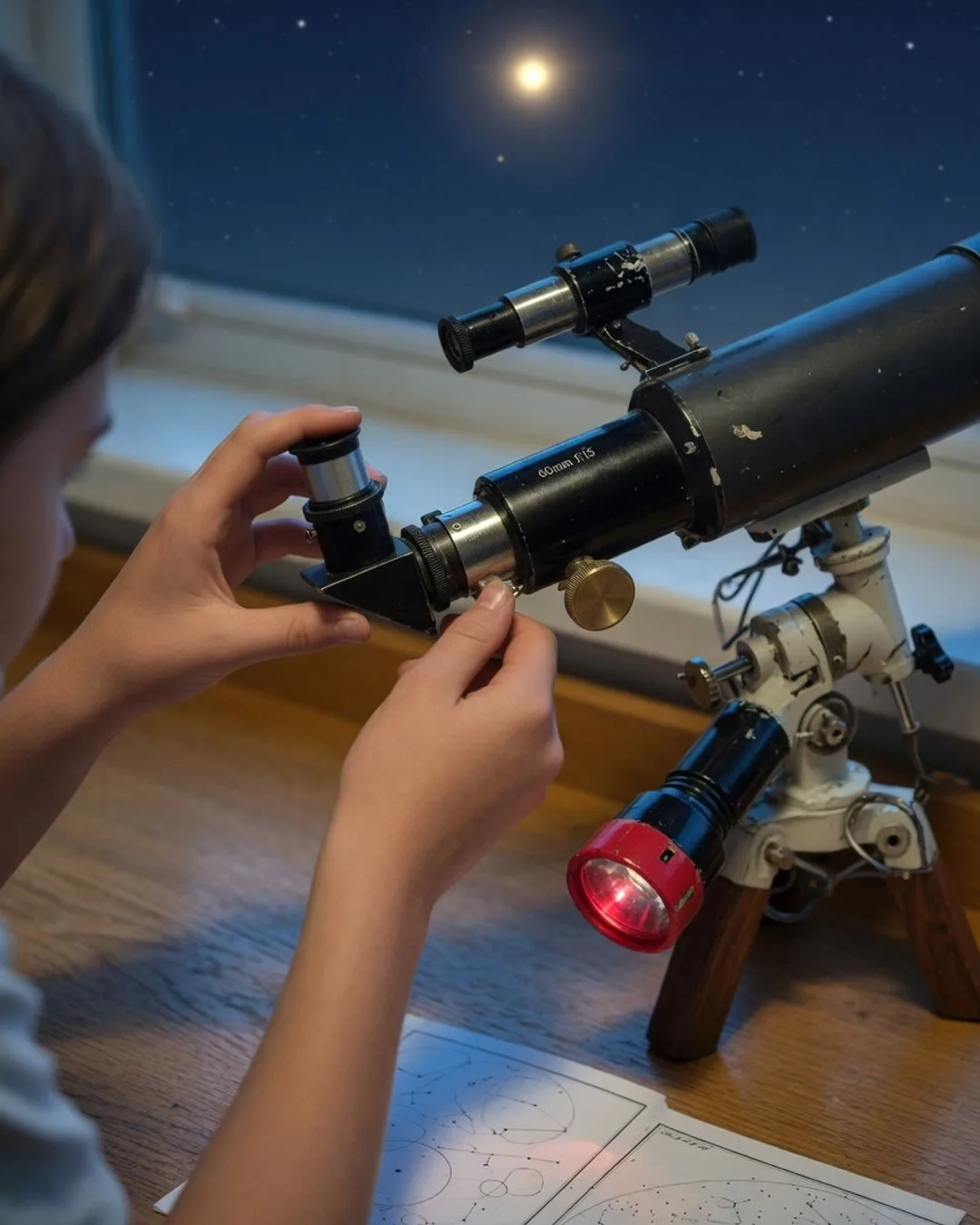
Eight units from the sky and celestial motion to space exploration and life in the universe, anchored by three AI-proof demonstrations: the observation-journal defense, timed sky-and-data reading, and the oral lab-notebook defense. A standalone elective for grades 6–12 — with a term-long sky-observation journal that can't be faked, mastered under the sky, not by cramming for a test.
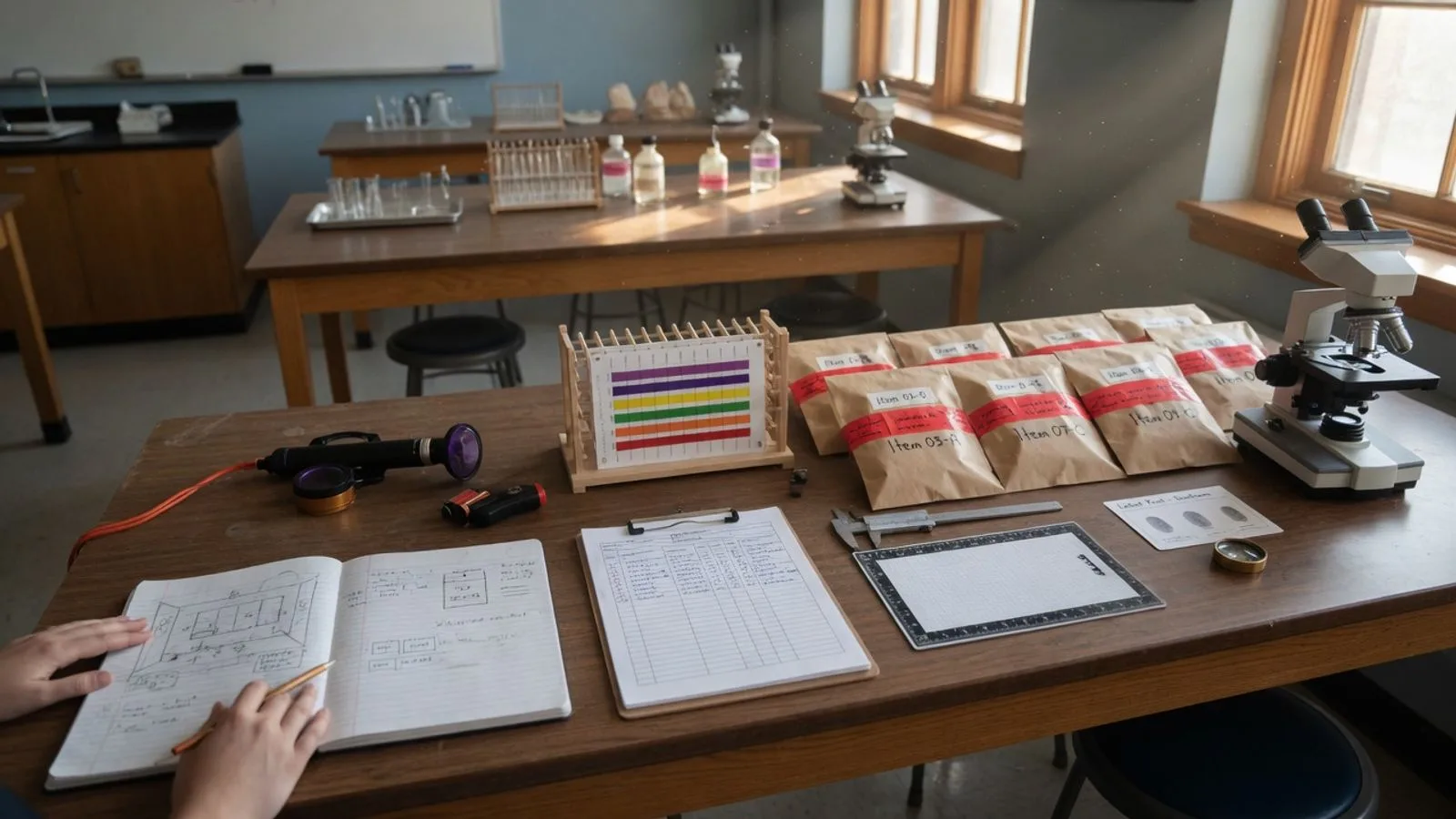
Forensic Science
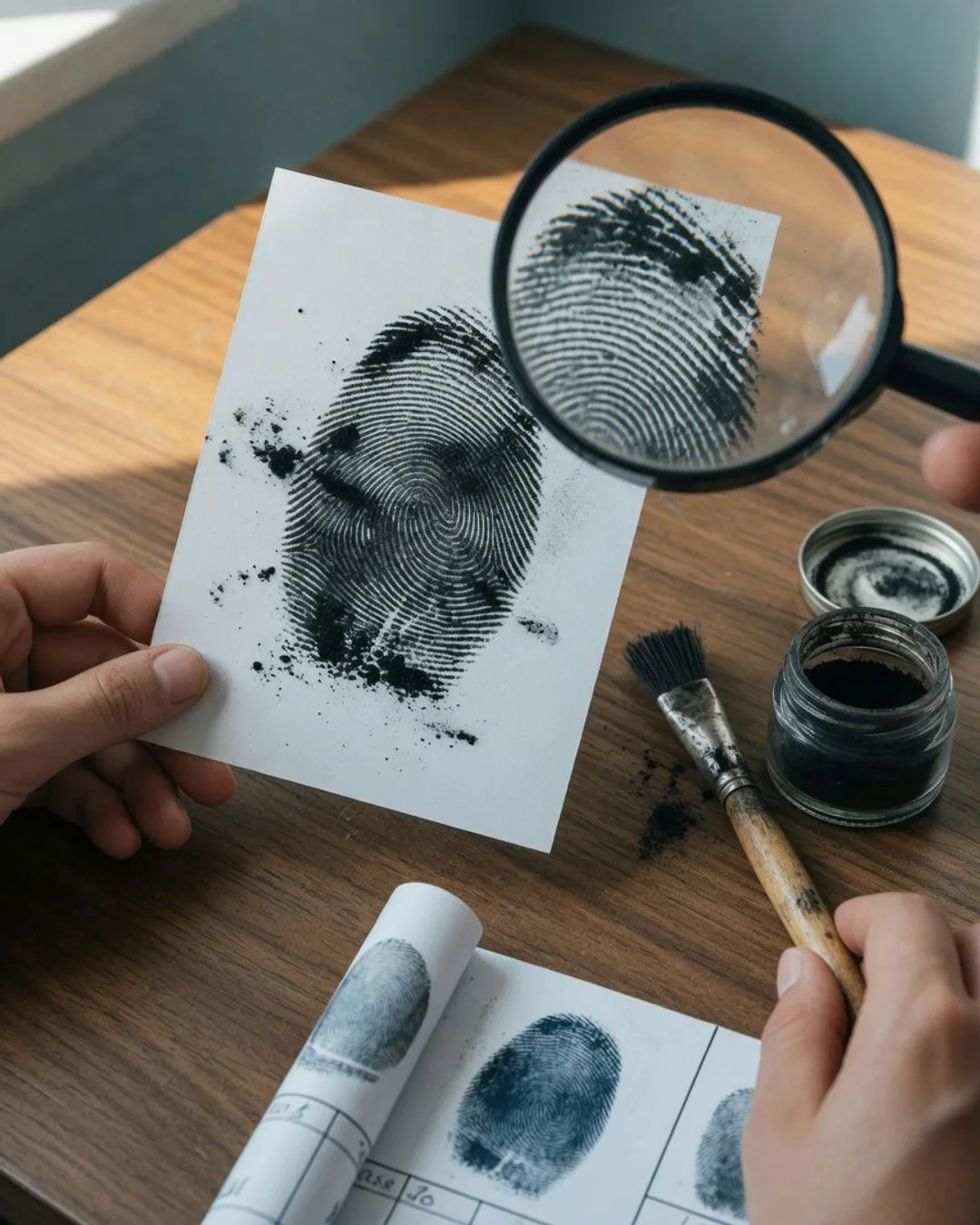
Eight units from the crime scene to the courtroom — fingerprints, trace evidence, chromatography, blood, DNA, and ballistics — anchored by three AI-proof demonstrations: the evidence-analysis defense, timed scene processing, and the oral lab-notebook defense. A standalone elective for grades 9–12 that stays honest about certainty — every “match” is a probability the analyst reports, never proof, and the court, weighing all of it, decides guilt.
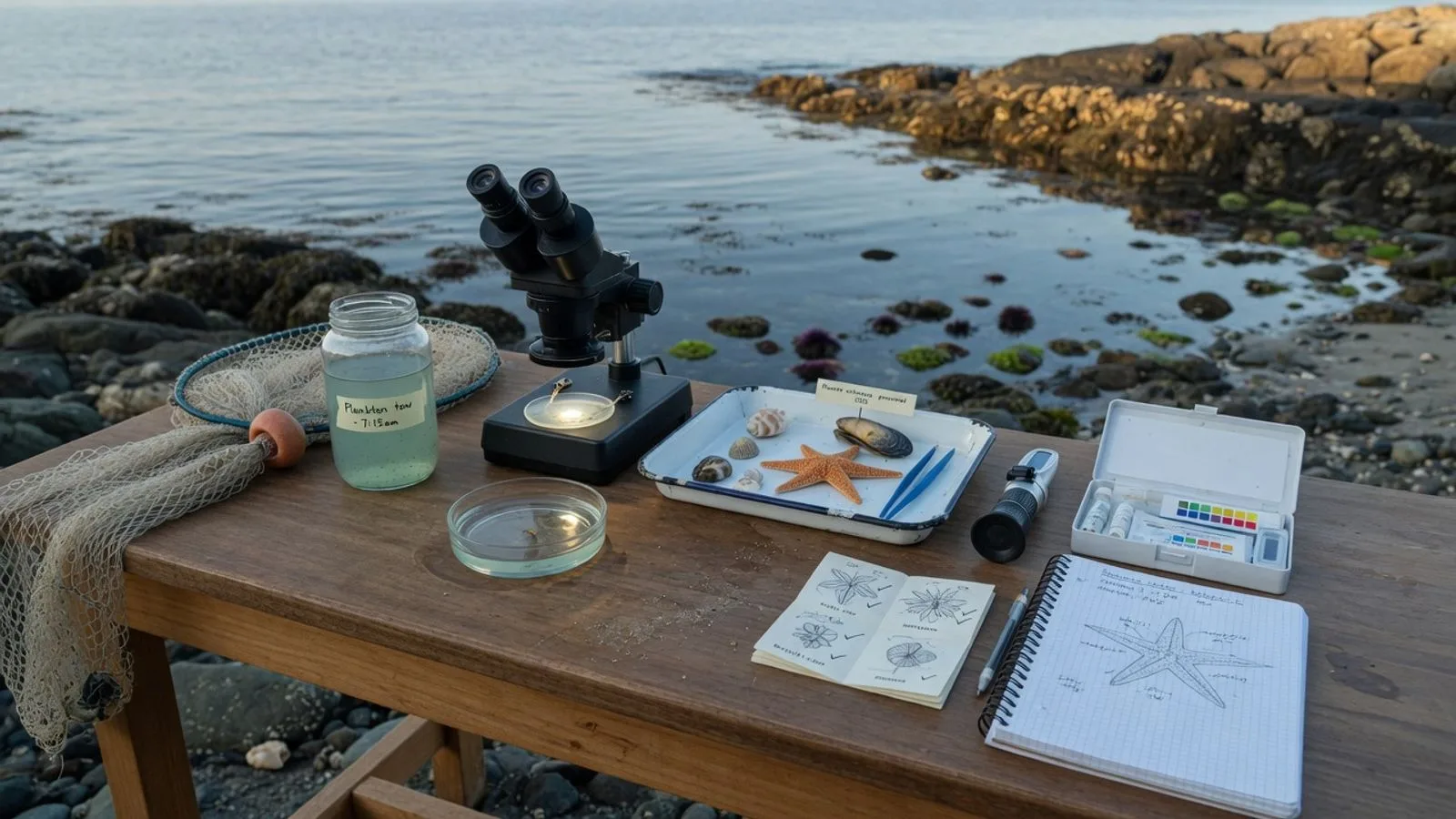
Marine Biology
Eight units from the ocean environment to humans and the ocean — plankton, algae, invertebrates, fish and sharks, and marine mammals — anchored by three AI-proof demonstrations: the specimen-identification defense, timed oceanographic data reading, and the oral lab-notebook defense. A standalone AP-level elective for grades 9–12, anchored across the year by the voyage of HMS Challenger.
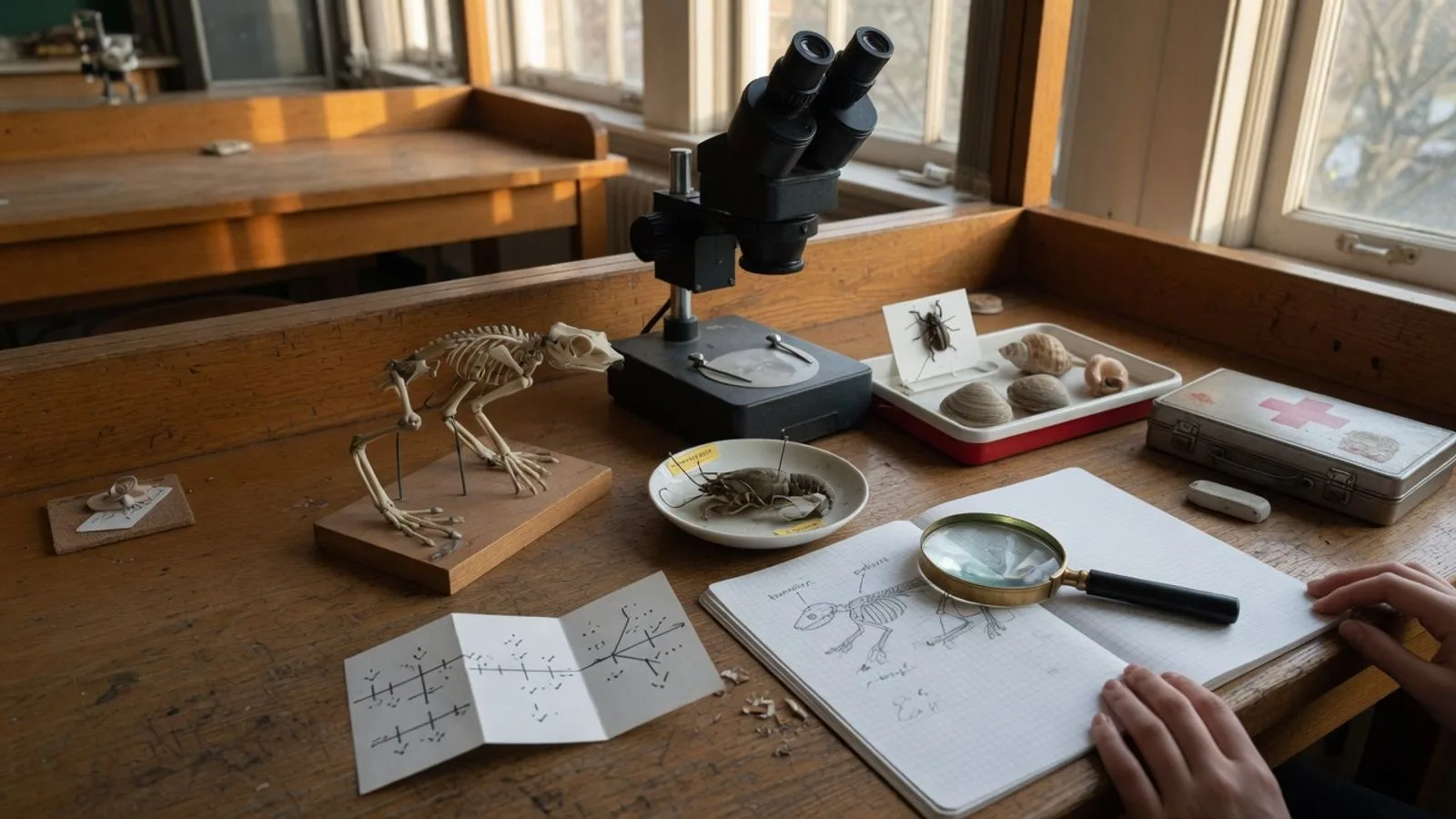
Zoology
Eight units from what makes an animal an animal to behavior and ecology — simple invertebrates, mollusks and arthropods, fish, amphibians, reptiles, birds, and mammals — anchored by three AI-proof demonstrations: the specimen-and-adaptation defense, the timed classification challenge, and the oral lab-notebook defense. A standalone AP-level elective for grades 9–12, anchored across the year by Charles Darwin’s voyage aboard HMS Beagle.
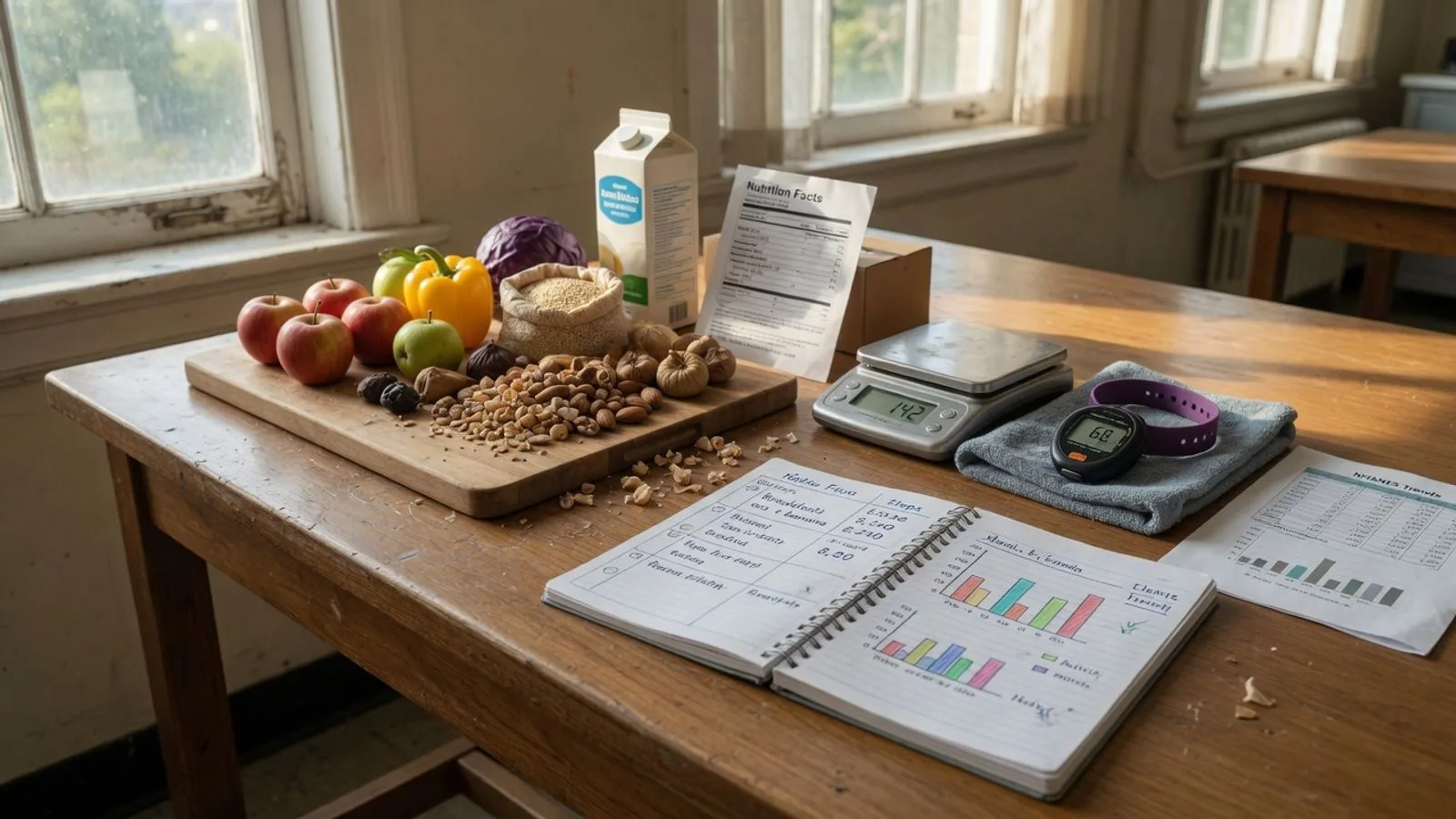
Health & Nutrition
Eight units from body systems and wellness to health decisions and the media — nutrients, digestion and energy, building a healthy diet, fitness, mental health, and disease and immunity — anchored by three AI-proof demonstrations: the nutrition-analysis defense, the timed label-and-data reading, and the oral lab-notebook defense. A broad grades 6–12 elective built for science literacy — how to reason about health claims with evidence, not medical or diet advice — anchored across the year by James Lind’s 1747 scurvy trial.
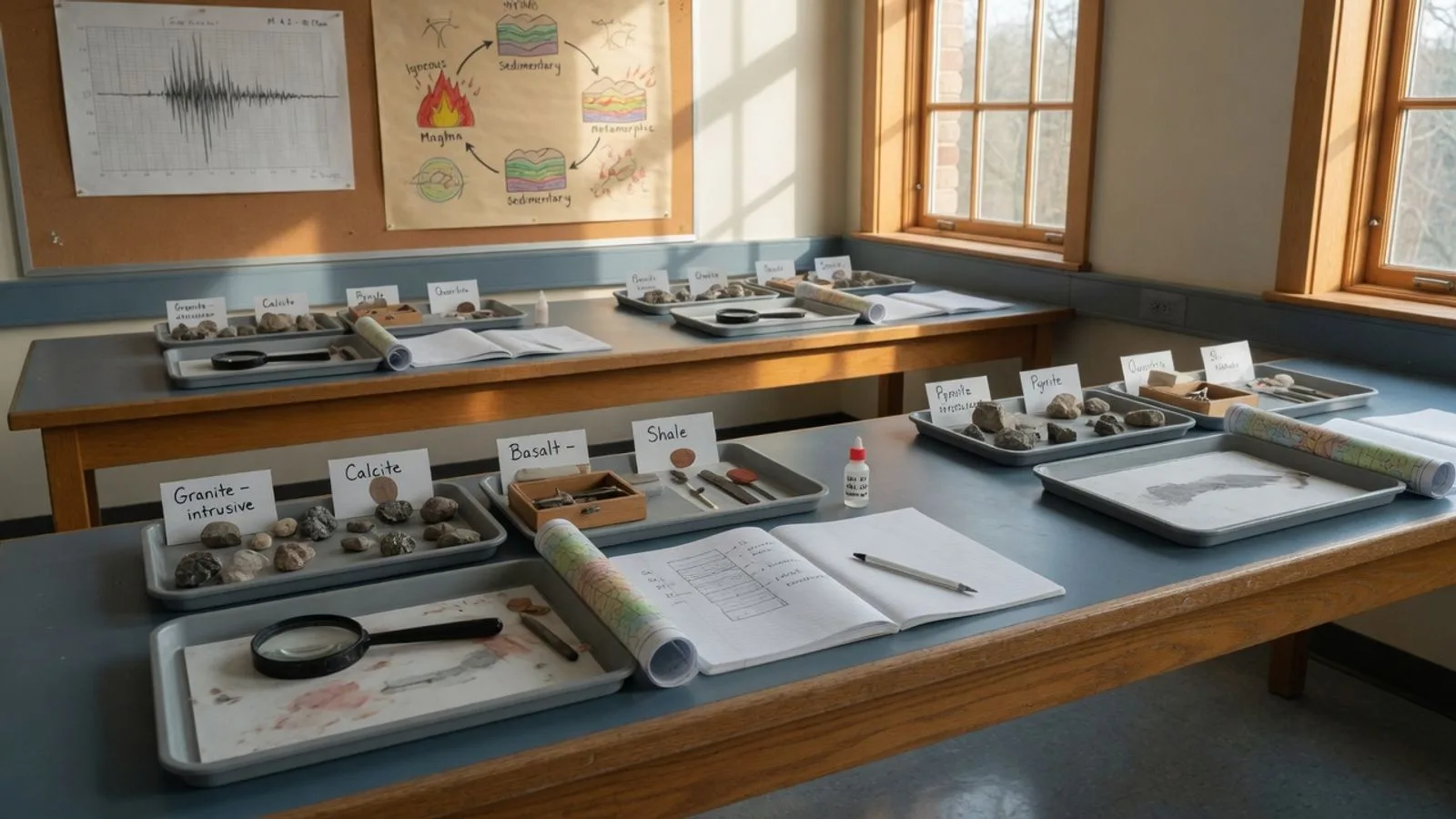
Geology
Eight units from minerals to geologic time and Earth history — igneous, sedimentary, and metamorphic rocks and the rock cycle, plate tectonics and mountain building, earthquakes and Earth’s interior, weathering and landforms — anchored by three AI-proof demonstrations: the rock & mineral ID defense, the timed map & cross-section reading, and the oral lab-notebook defense. An AP-level grades 9–12 elective — the deep dive behind Earth Science’s rocks-and-tectonics units — anchored across the year by James Hutton’s discovery of deep time at Siccar Point.
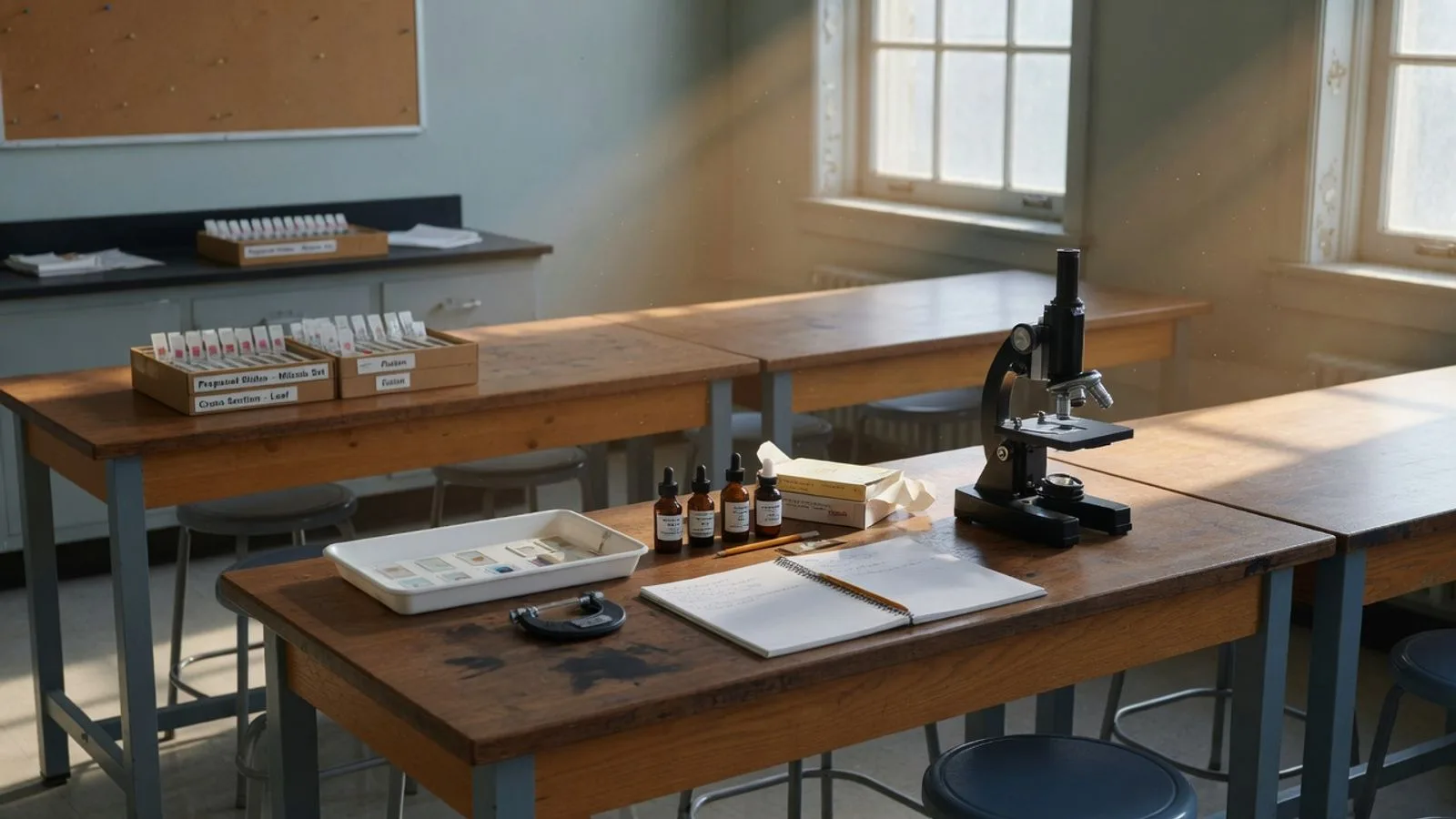
Microscopy
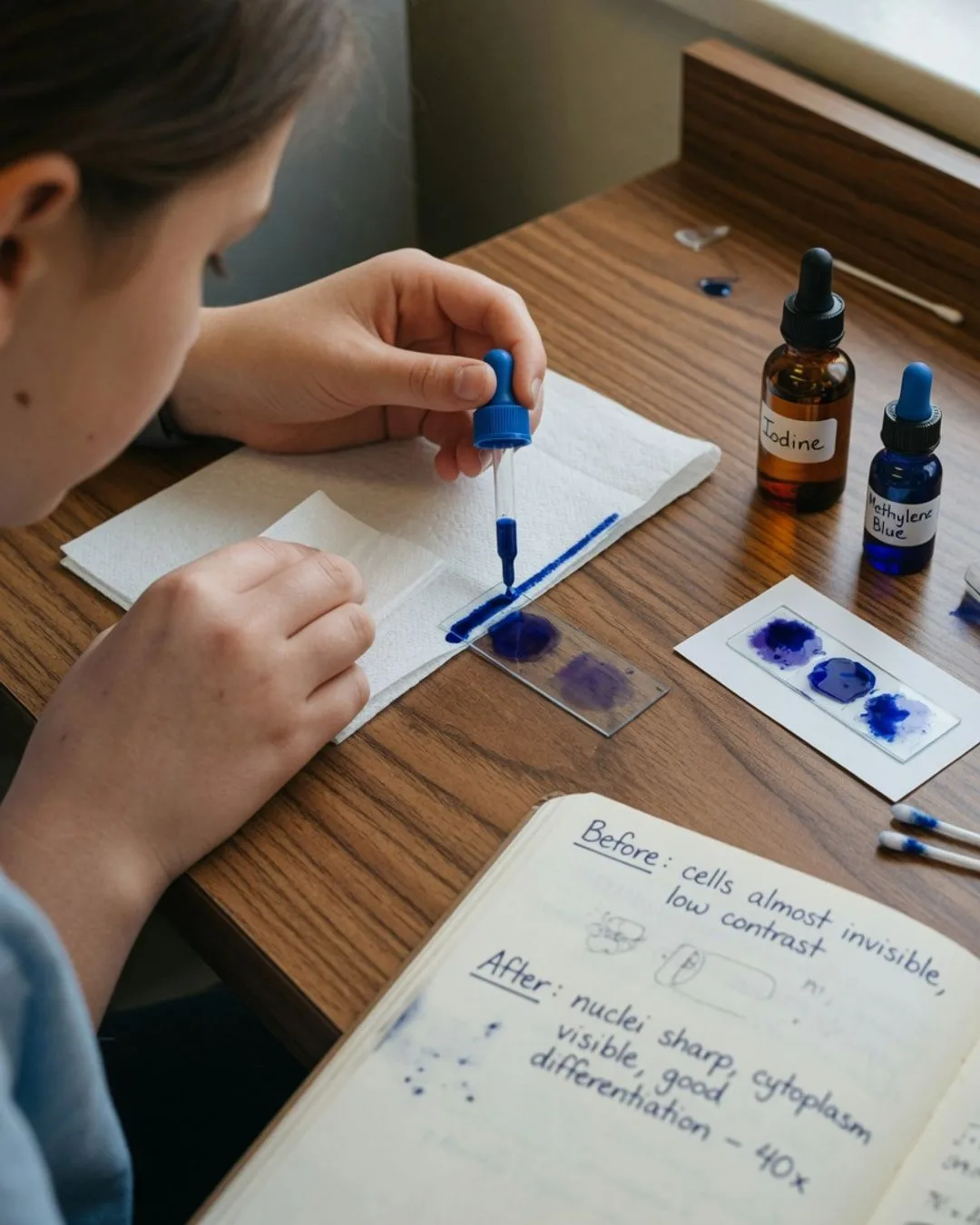
Eight skill modules from the microscope and clean focusing to micrography and scale, a hands-on technique ladder anchored by three AI-proof demonstrations: the specimen-prep defense, timed microscopy identification, and the oral lab-notebook defense. A lab-skills course for grades 7–12 — every module mastered by doing it at the bench, not by cramming for a test.
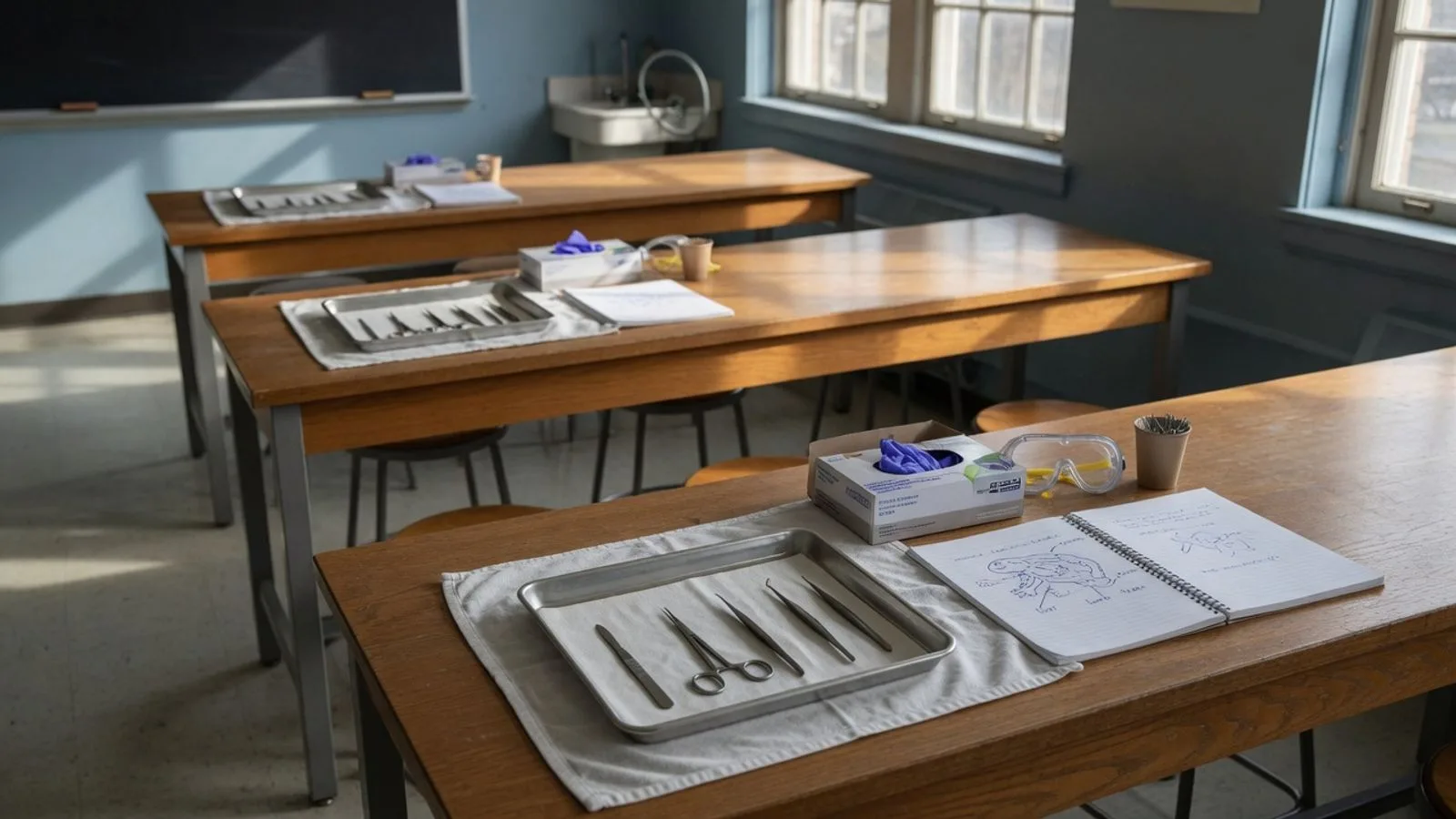
Dissections
Eight specimen modules from the earthworm to the fetal pig, a progressive dissection ladder anchored by three AI-proof demonstrations: the dissection defense, timed structure identification, and the oral lab-notebook defense. A lab-skills course for grades 8–12 — every specimen mastered by careful, respectful work at the tray, not by cramming for a test.