Notes on lab science, learning, and what the research says.
Seven short essays from Leslie Nichols, in an order that builds from what science actually is, through
what the education research keeps confirming, down to what your kid
does on a Saturday morning at the bench. After them, four planning notes answer practical questions families and guides ask before using a course pack, four more help plan a science year, and five look at the habits that hold science together.
How Leslie thinks about science teaching
Seven short essays, in an order that builds from what science actually is, down to what your kid does
on a Saturday morning at the bench.
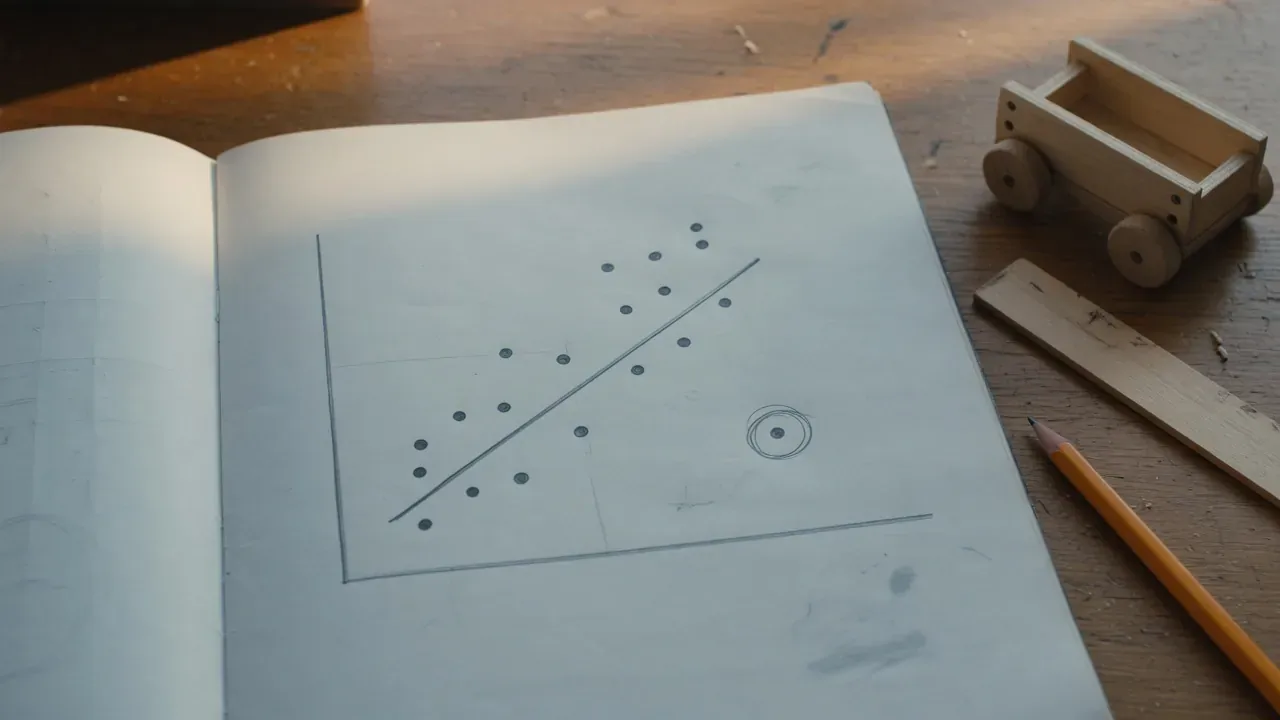
Most kids learn the “scientific method” as an
eight-step flowchart and never get to take the “No”
arrow. Real science is a continuing process. Scientists must be willing to design experiments that could prove them wrong and then carry them out.
A walk-through of the Cycle of Scientific Enterprise.
K–12 and even college science classes are increasingly delivered as videos
and simulations. The downstream effects on incoming college students, including the future doctors, nurses, and researchers among them, are
measurable, and they’re not good. Here’s what the research says,
and what we do about it on a Saturday morning in Boise.
Reading notes on John D. Mays’ From Wonder to
Mastery. His diagnosis of conventional middle-school
science is brutal and exactly right; his three pillars
(Mastery, Integration, Wonder) are, with one small framing adjustment, the model we already run.
Credit where it’s due.
Contact hours describe time in a course, not the skills a
student can demonstrate. An introduction to mastery-based
feedback and the practical work of making reassessment possible.
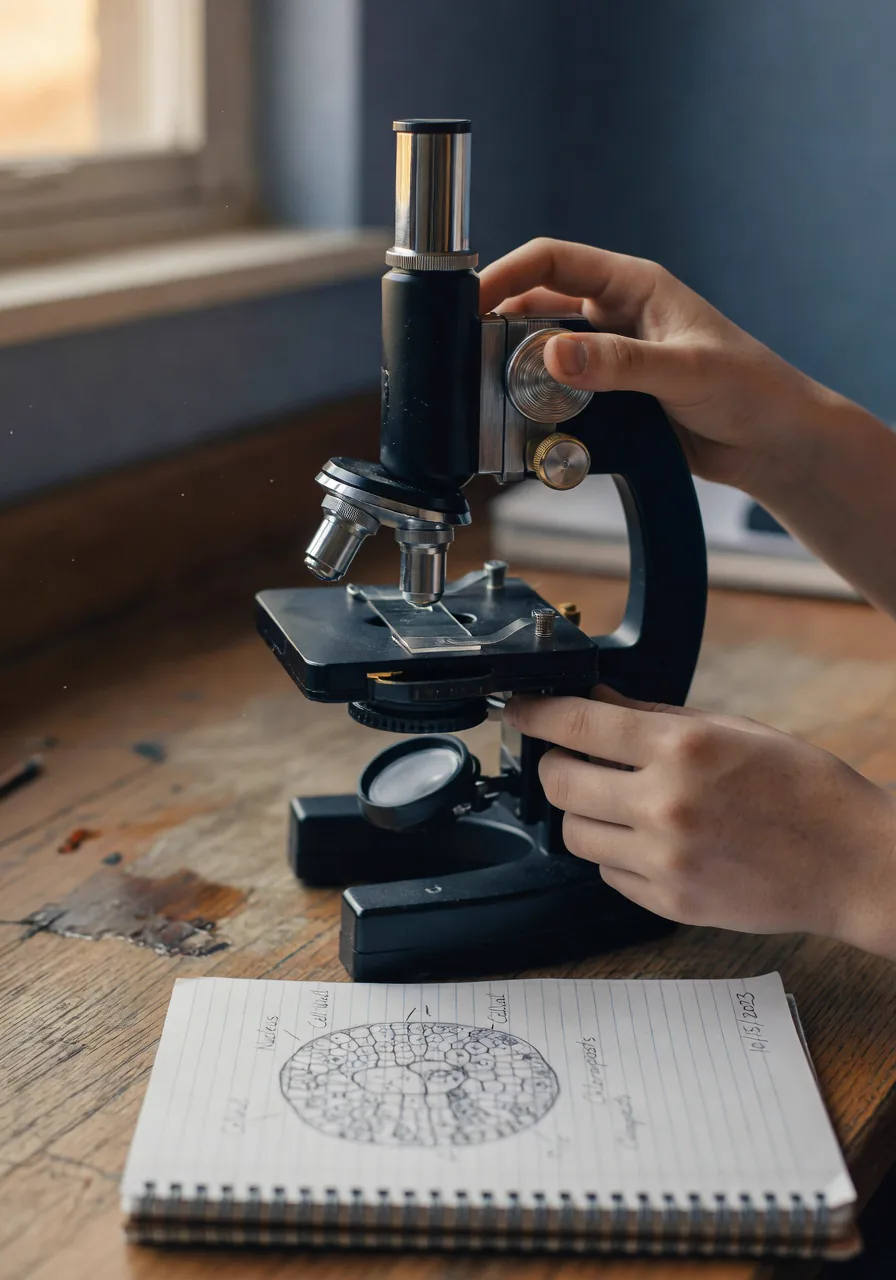
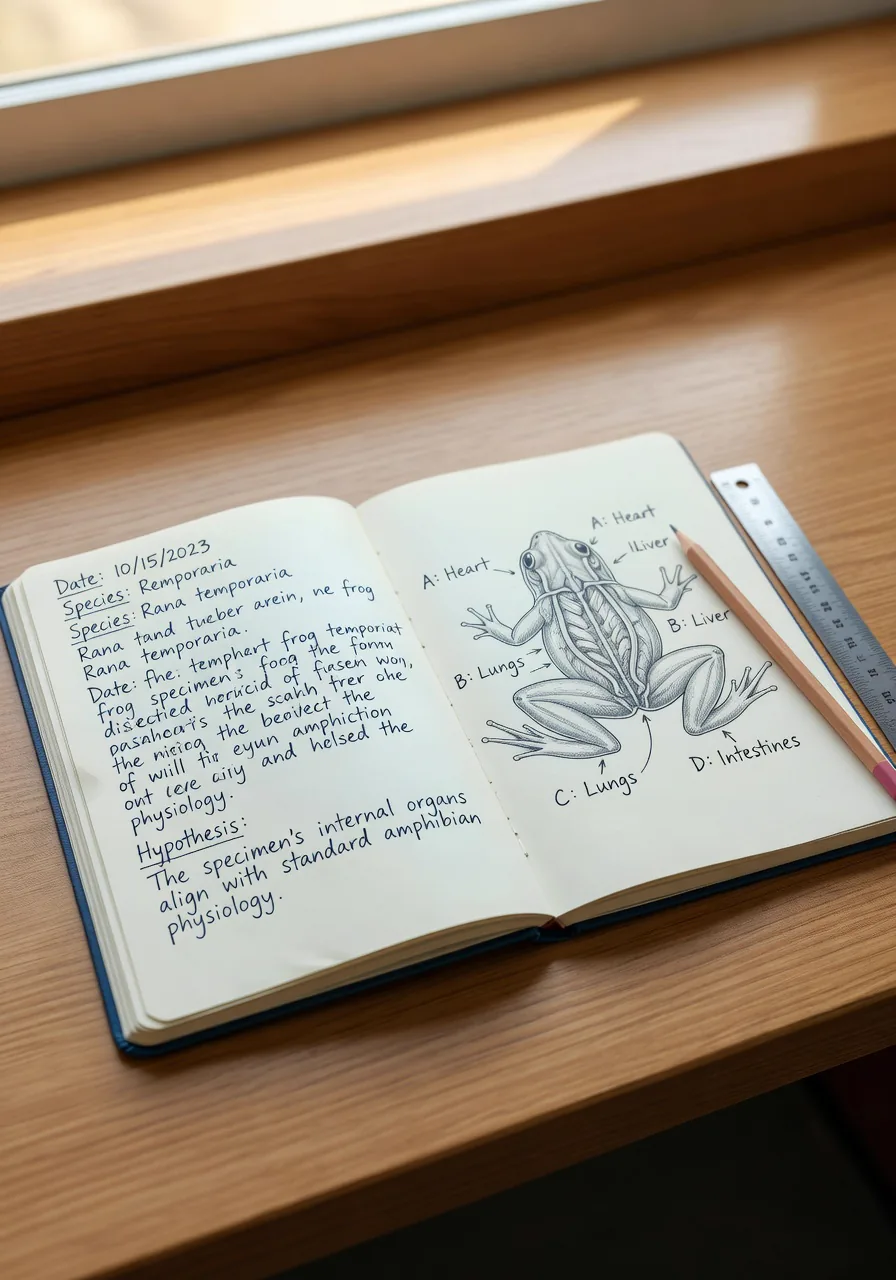
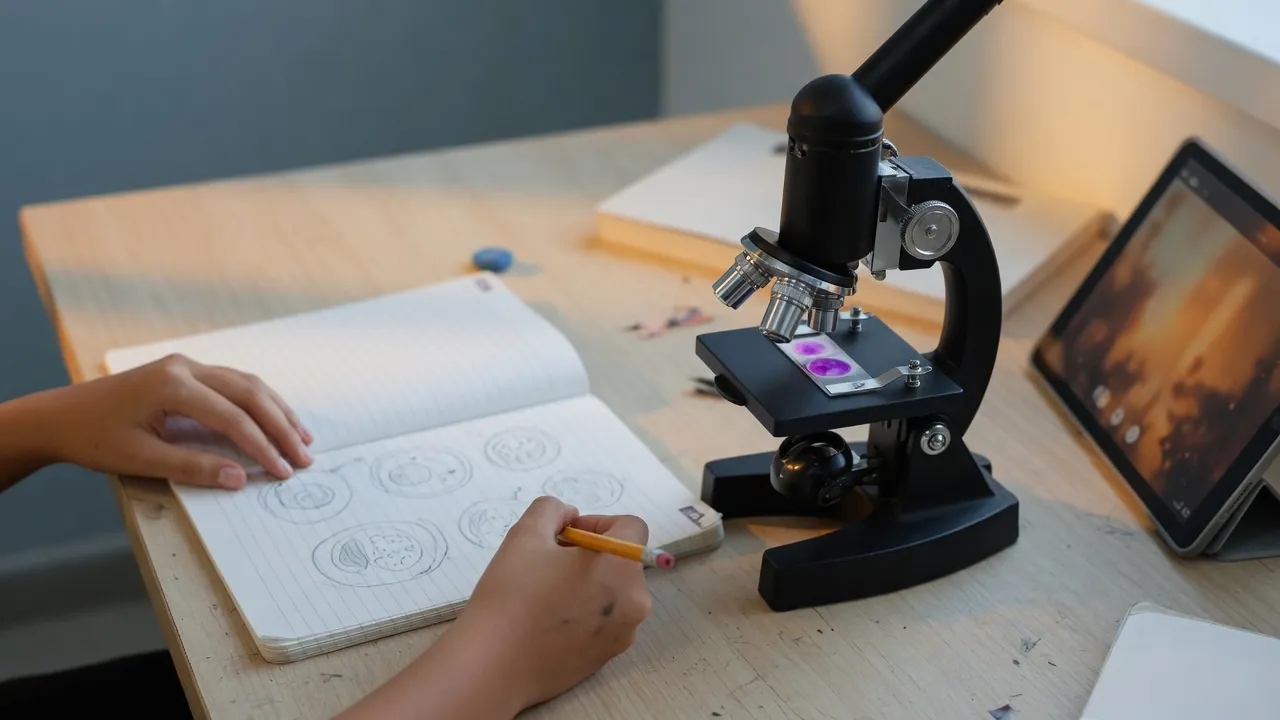
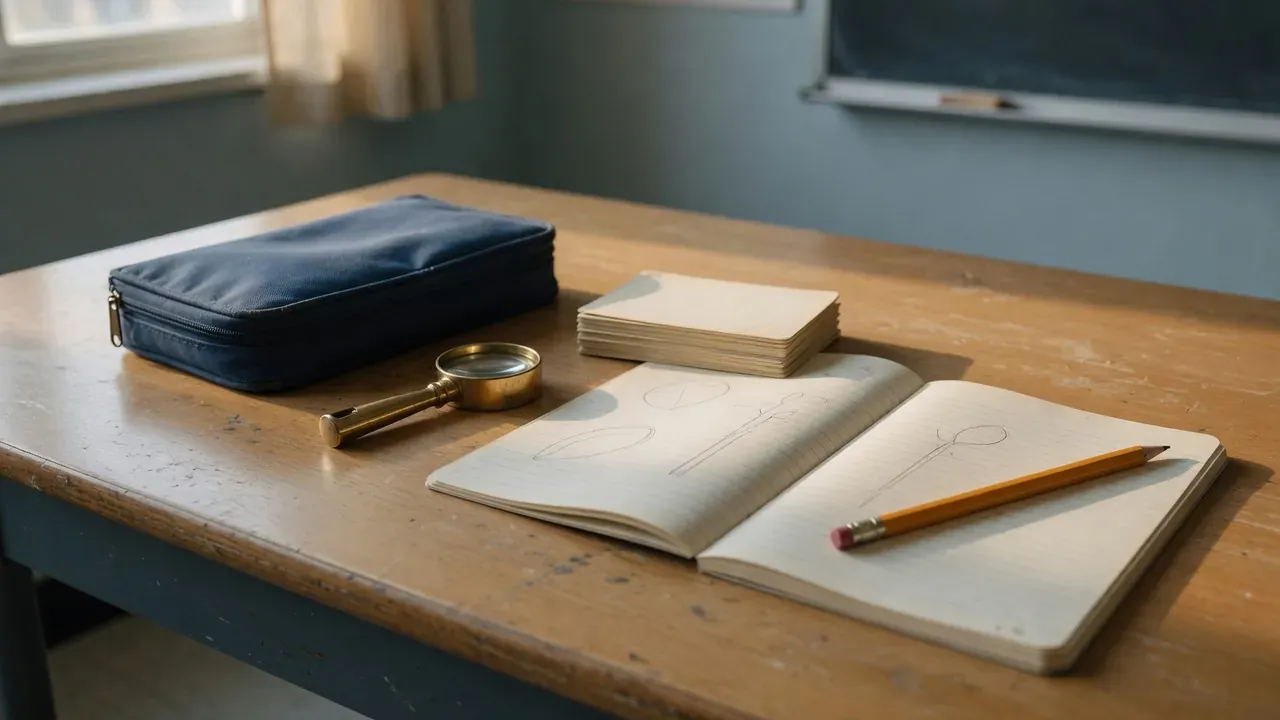
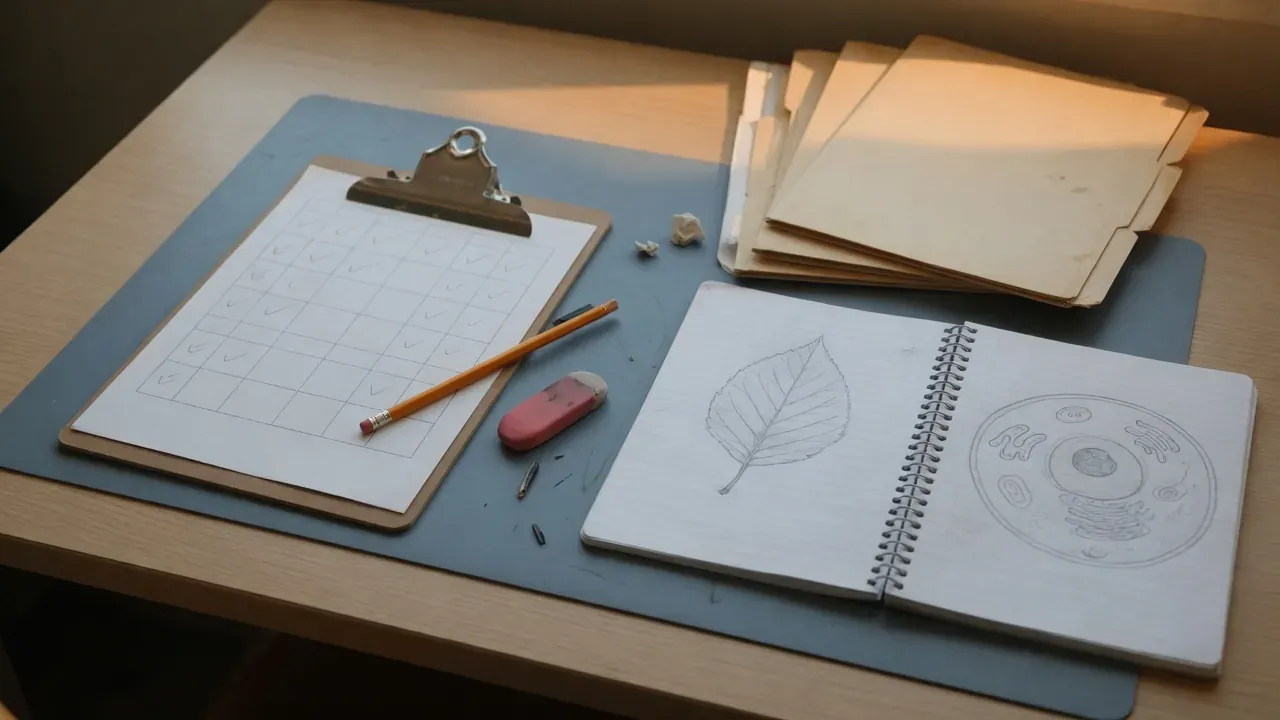
A bound, dated, ink-on-paper notebook isn’t a quaint
preference. It’s a different cognitive instrument than a typed document, and it teaches a kind of seeing that the
cleanly-edited Google Doc quietly trains away.
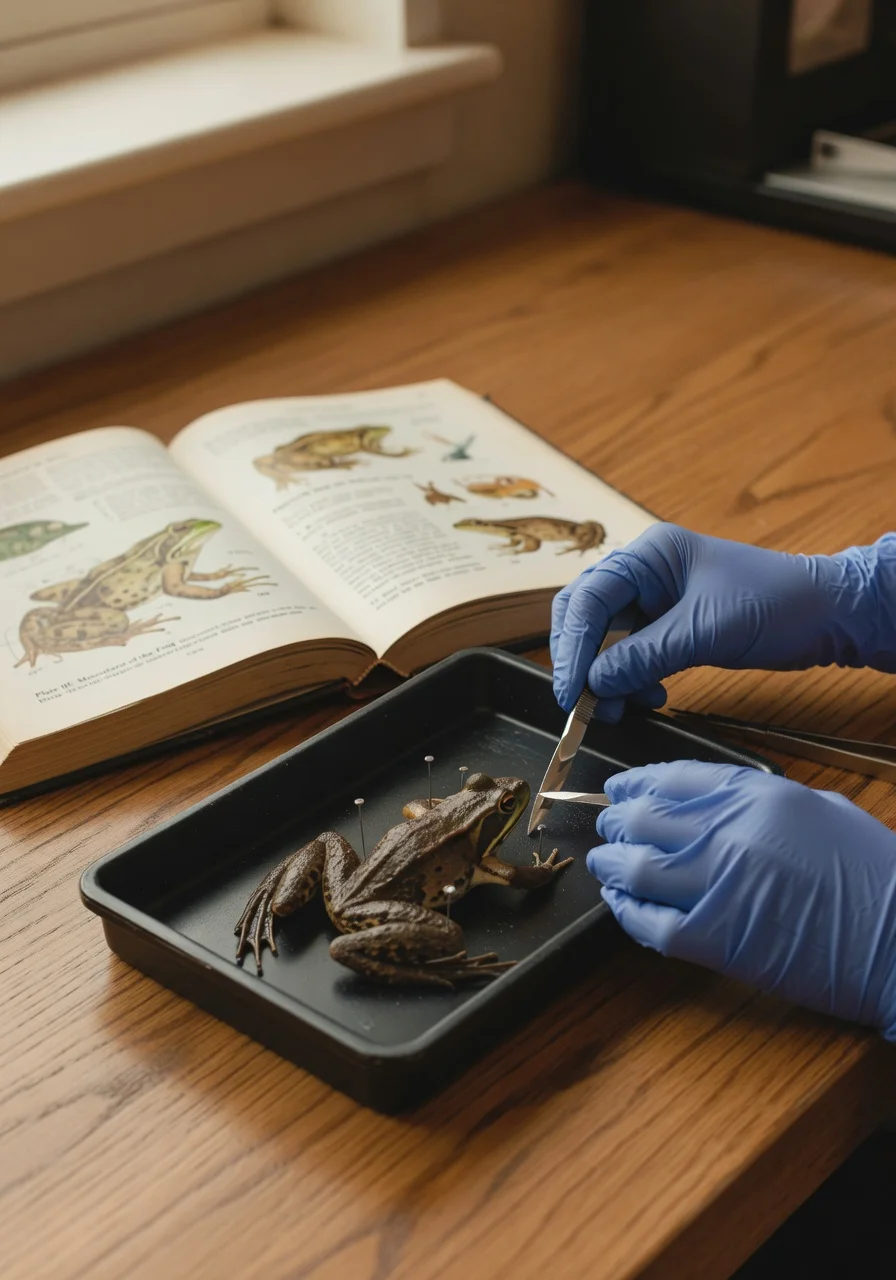
The kids who are most worried about it are usually the ones who
get the most out of it. Why reverence (not callousness) is the
first thing learned at the bench, and what a real frog teaches that a video can’t.
If you can’t explain it to a 7th grader, you don’t
actually know it. Why every Bright Minds student stands up in
week eight and defends their work, out loud, to their peers and their
family.
Bright Minds serves grades 7–12, but every subject has its own band and its own kind of work. Here is how families can read the course hubs, notice readiness signals, and ask the right questions before choosing a pack.
If this is not a live class, video course, or portal subscription, what are families actually getting? A practical explanation of the course-pack format and the adult role it assumes.
Can a student use AI without undermining real learning? Yes, if the boundary is clear: AI may support explanation and study, but it cannot replace observations, notebook evidence, or live assessment.
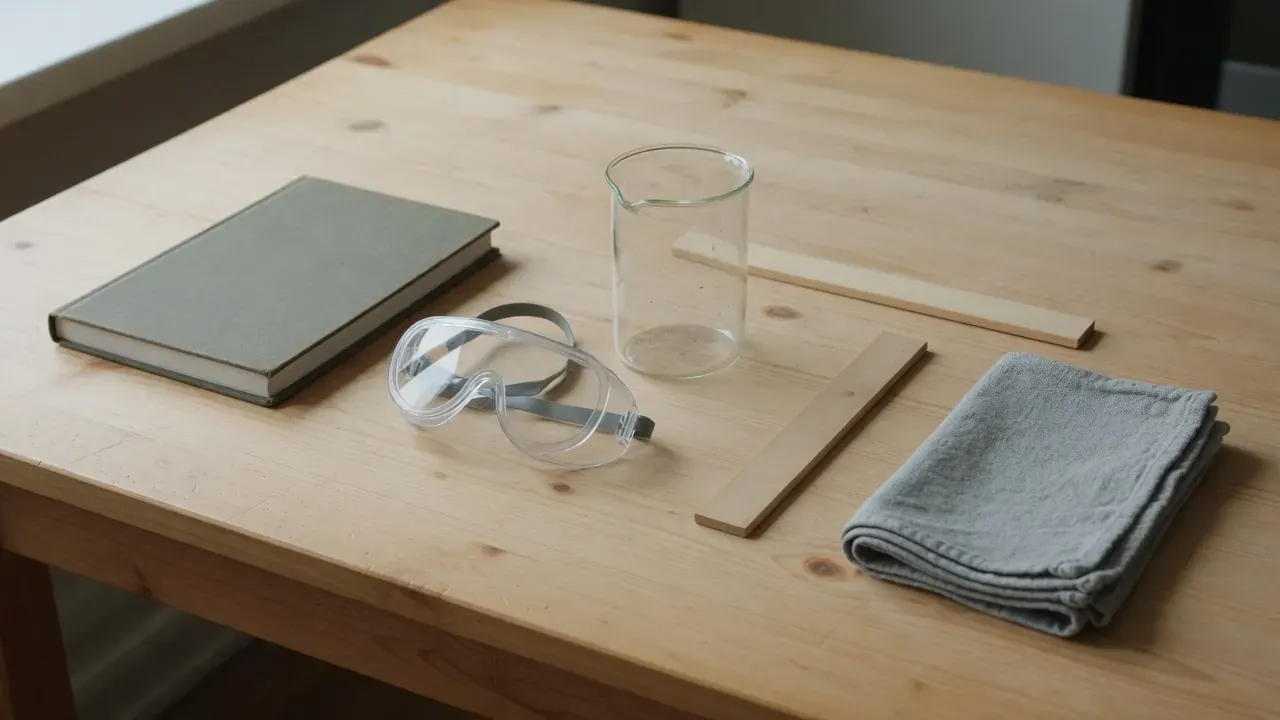
Real science at home begins with deciding what should and should not happen at home. These are the questions to settle before any home-lab work is planned.
A hesitant student is not a failed student. The question is what the activity is meant to teach, what an alternative can support, and what can honestly be assessed.
Only four Bright Minds course packs name AP topics: Biology, Chemistry, Physics, and Environmental Science. Each sets the same boundary: not a College Board AP course.
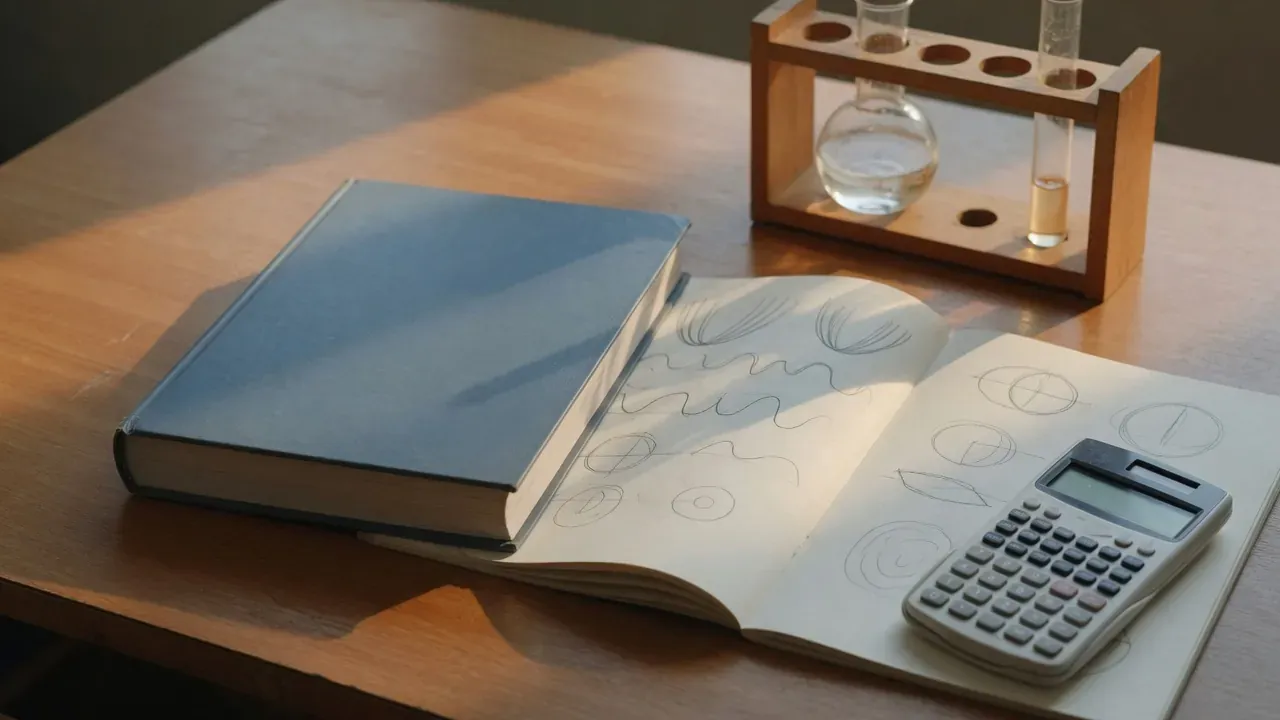
Families may need an A through F for records. The challenge is converting mastery honestly, without turning developing work and mastered work into a misleading average.
Health claims are everywhere. A science course should teach students how to judge evidence without turning the classroom into a clinic or a trend feed.